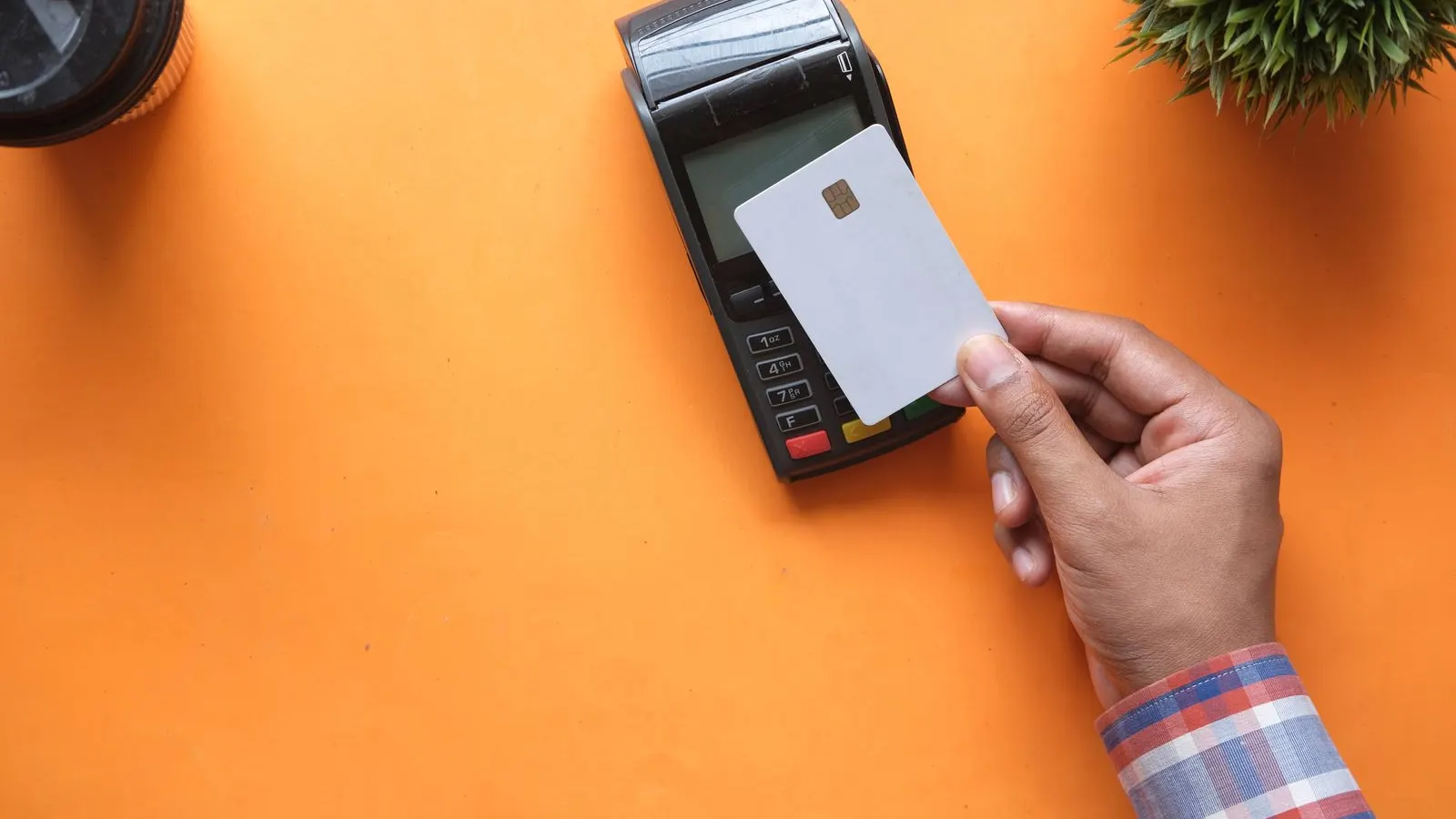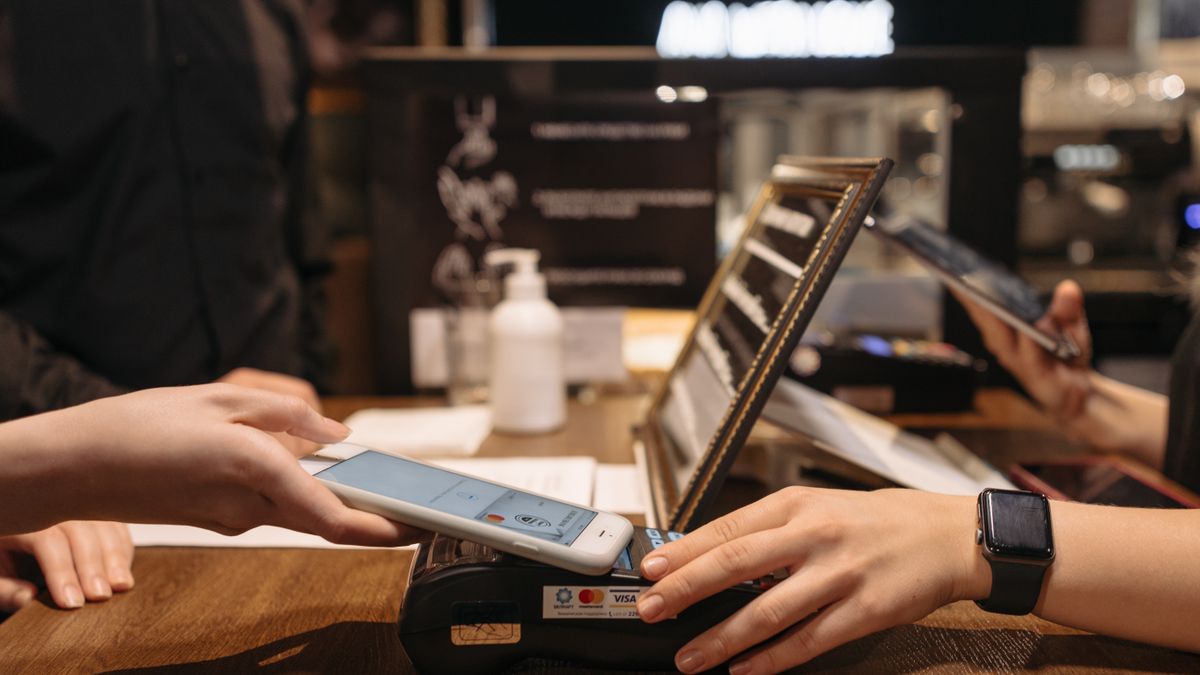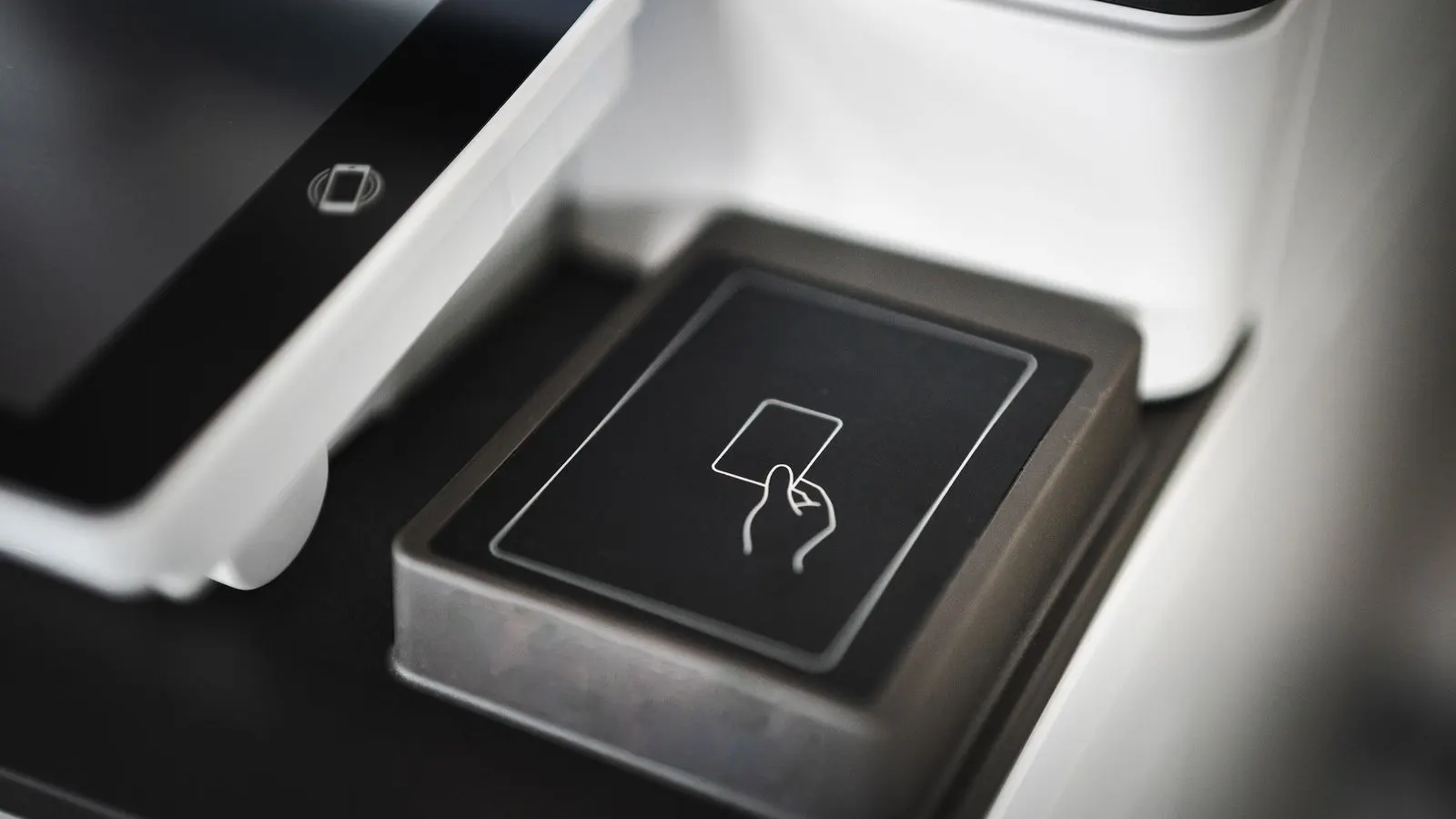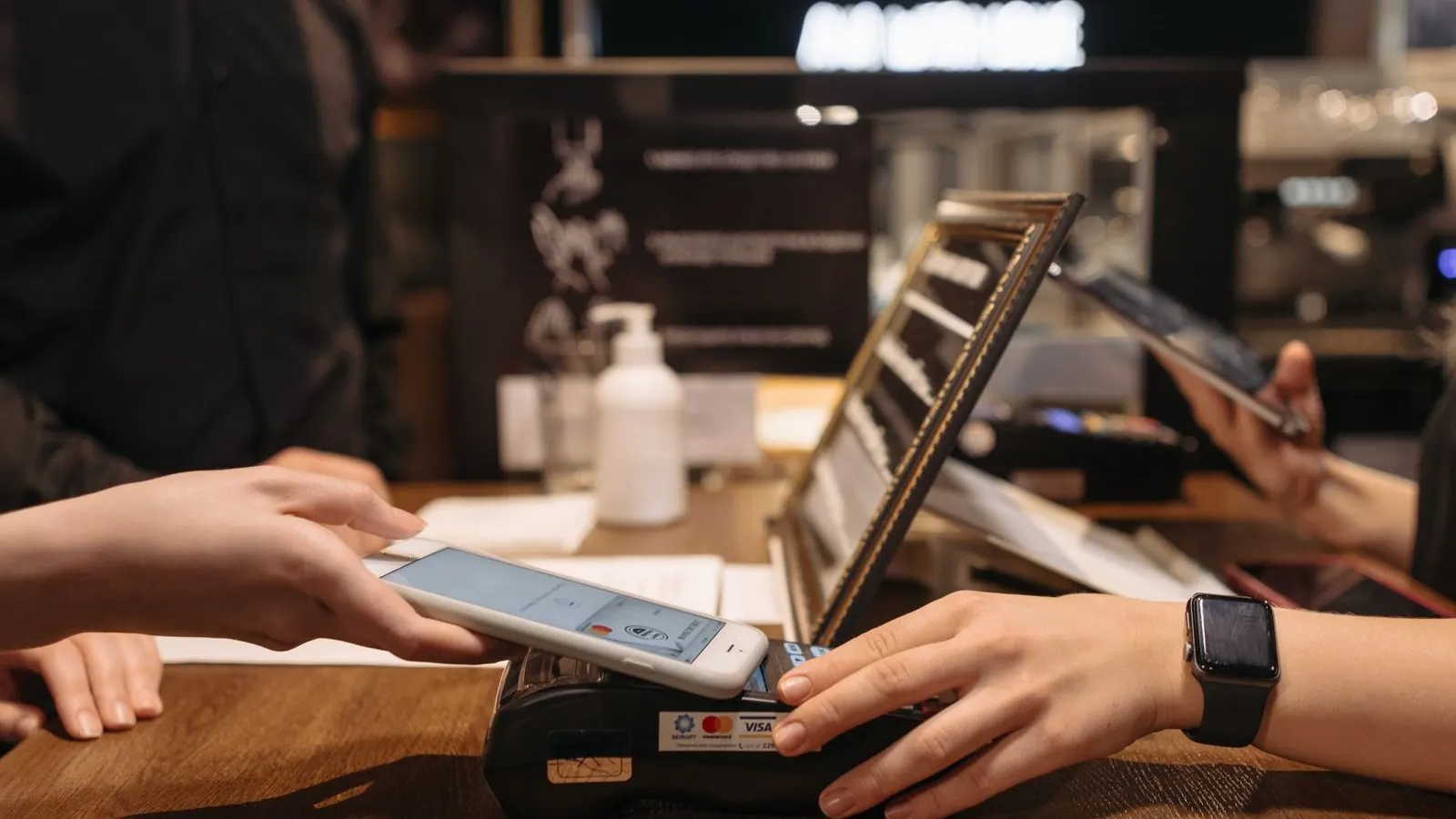
The UK contactless limit is £100 per transaction for a physical card - it's been there since October 2021. But the number most businesses don't know: payments by phone or watch (Apple Pay, Google Pay) have no £100 cap at all, because the device itself verifies the customer. If your average sale is creeping up, that difference matters at your till.
The rules in one box
The current UK contactless framework:
- Card taps: £100 maximum per transaction - above that, it's chip-and-PIN.
- Cumulative check: after several consecutive taps (up to £300 or five transactions, issuer-dependent), the customer is asked for their PIN once - a fraud control, not a fault with your machine.
- Phone and watch wallets: no upper limit, because Face ID/fingerprint verifies the payer on the device.
- The limit is set by regulation and the card schemes - you can't raise it on your terminal, and neither can your provider.
What this means for your counter
If your average transaction is under £100 - cafes, barbers, shops - the limit is invisible and you can stop reading. If you sell at £100+ (trades invoices, salons with colour appointments, higher-end retail), train the muscle memory: when a card tap declines at £120, it's not a broken machine, it's the limit - ask for the card in the slot with a PIN, or suggest the customer's phone wallet.
Wallet payments are the quiet fix here: a £400 payment sails through on Apple Pay. That's one reason 'we take contactless' increasingly means phones more than cards - and why a terminal that struggles with wallets isn't fit for 2026.
The occasional PIN prompt (and why it's not your fault)
Every so often a routine tap triggers 'PIN required'. That's the cumulative fraud check doing its job - the customer's bank counting taps since the last verification. It's random-feeling by design, it's the same on every provider's hardware, and the fix is fifteen seconds of chip-and-PIN.
Worth telling staff explicitly, because the alternative is them announcing 'the machine's playing up' - which sounds like your business's fault. It isn't; it's the payment system working as designed.
Could the limit change?
The FCA has consulted on the future of contactless limits, including possibly removing the fixed cap in favour of issuer-set limits - the direction of travel is towards more flexibility, largely because device wallets have already made the cap feel dated. Nothing to act on today; if it changes, your terminal updates over the air and your job is nil.
The practical takeaway stays the same either way: make sure your setup handles wallets flawlessly, because that's where the growth is. Every reader we compare takes wallets as standard - if yours doesn't, that's your sign.
FAQs
What is the contactless limit in the UK right now?
£100 per transaction for physical card taps. Apple Pay, Google Pay and other device wallets have no upper limit because the phone verifies the customer.
Why did a contactless payment under £100 get declined?
Most often the cumulative check: after a run of consecutive taps the bank requires one PIN entry before contactless resumes. It's a fraud control on the customer's card, not a fault with your terminal.
Can I set a lower contactless limit on my machine?
Generally no - the limits live with the card schemes and issuers, not your terminal settings. What you can control is offering chip-and-PIN smoothly when a tap is declined.