Card reader vs card machine sounds like a distinction invented to confuse you, and honestly - it half is. They both take card payments at the same rates. The real differences are size, independence and price: one needs your phone, one doesn't. Here's the plain-English split and which one your business actually needs.
The two products behind the four names
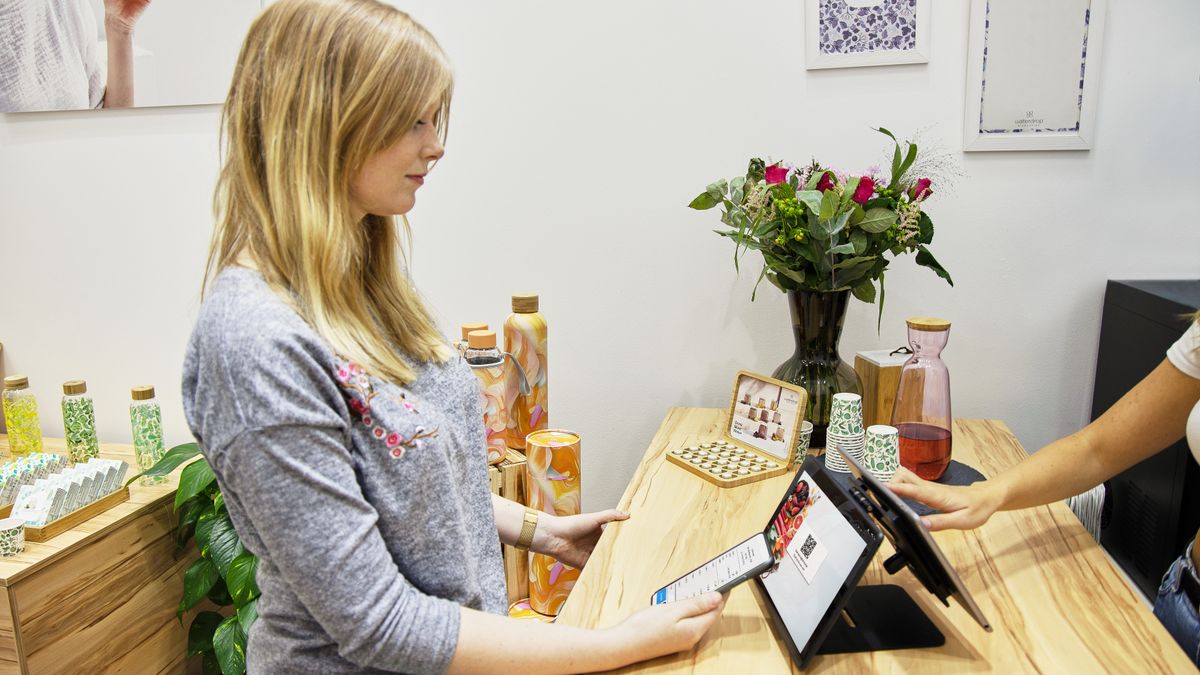
A card reader is the small, pocketable device (SumUp Air, Square Reader, Zettle Reader) that pairs with the app on your phone or tablet. The phone provides the screen, the internet and the receipt; the reader just handles the card. Typically £19-£40 one-off.
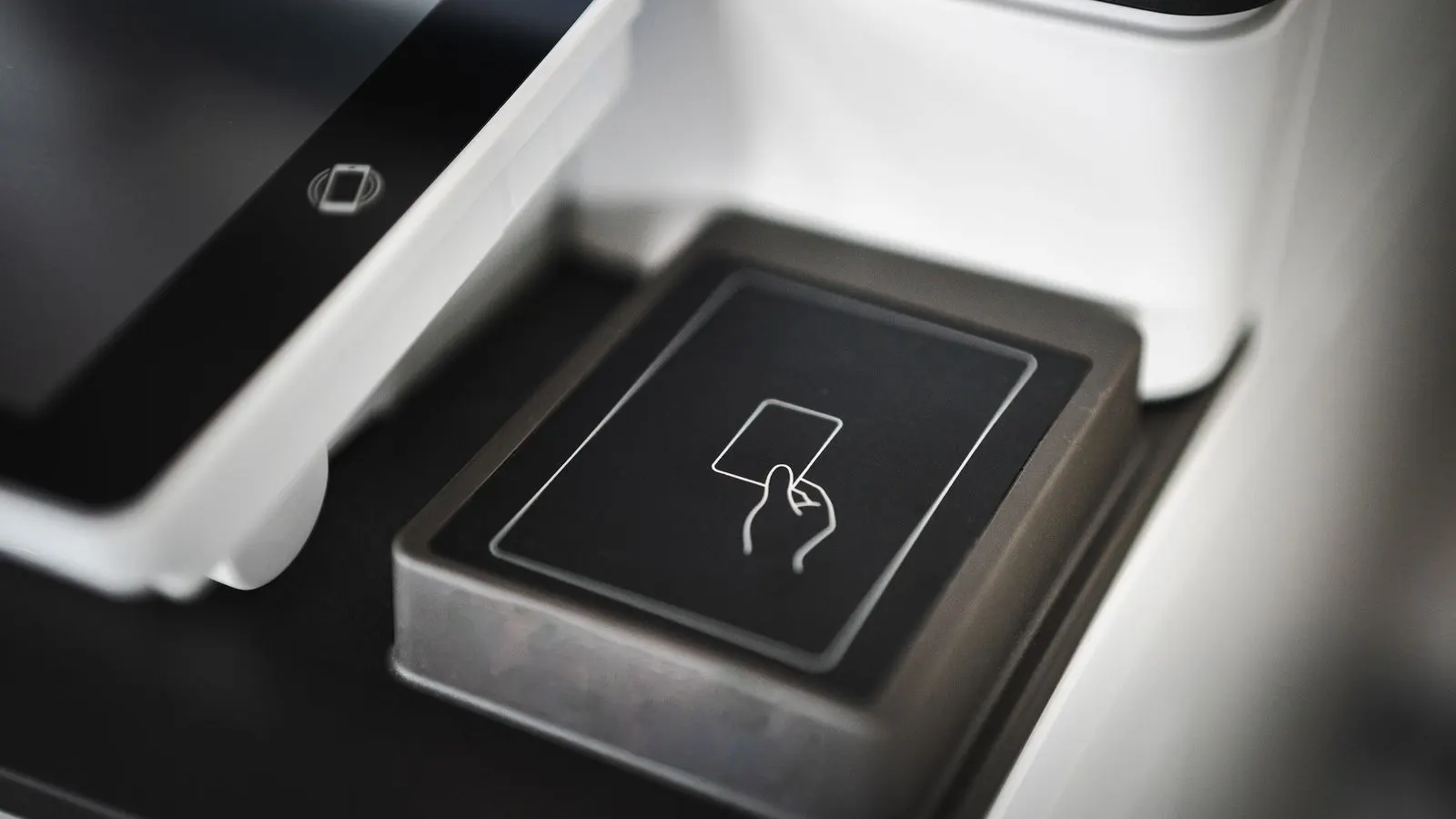
A card machine (also called a card terminal or, if your rep is over 50, a PDQ) is the standalone unit with its own screen, SIM/WiFi connection and often a receipt printer - SumUp Solo, Square Terminal, Dojo Go, the classic pub Ingenico. It works without a phone. Typically £99-£300 to buy, or rented into a contract.
What actually differs day to day
Same fees, same taps, same banks - the differences are practical:
- Independence: a machine works if your phone dies, gets left in the van, or is busy taking a booking. A reader is hostage to the phone it's paired with.
- Speed at a busy counter: a machine is one-device muscle memory. Reader-plus-phone means two things to charge, hold and not drop into a sink.
- Receipts: machines often print; readers email or text. Trades and cafes rarely miss paper, restaurants and older customers sometimes do.
- Price: £19 vs £150+ buys a lot of flat whites. If cash flow is tight, the reader wins and can be upgraded later - most providers let you keep the same account.
- Battery and signal: machines with their own SIM keep working when the venue WiFi is rubbish - worth real money at markets and festivals.
Which one for which business
Get a reader if you're mobile, low-volume or starting out: market stalls, mobile hairdressers, tradespeople invoicing at the door, weekend sellers. The £19 no-monthly-fee readers are genuinely all most one-person businesses need - and Tap to Pay on your phone can even replace the reader itself for the lightest use.
Get a machine if you run a fixed, busy counter: cafes at rush hour, pubs, shops with staff. The £150 one-off disappears against the time saved not faffing with Bluetooth pairing mid-queue. And if you're taking serious volume, the machine decision usually arrives bundled with the POS system question anyway.
The catch to watch: 'free' machines on contracts
The £0-upfront card machine usually comes attached to a 12-48 month contract with monthly fees - by month 18 you've paid for that 'free' terminal several times over. It can still be worth it when it comes with genuinely lower rates at high volume, but do the full-term maths before signing. Our piece on no-contract card machines covers the trade-off properly.
Rule of thumb: buy hardware outright when you can, and make monthly fees earn their keep through lower percentage rates - which you can check against your own numbers in the fee calculator.
FAQs
Are the transaction fees different between readers and machines?
Usually no - SumUp, Square and Zettle charge the same rate whichever device you use. Contracted machines from acquirers can come with negotiated (often lower) rates, but that's the contract, not the hardware.
What does PDQ stand for?
'Process Data Quickly' - 1990s banking jargon for a card terminal. If a salesperson says PDQ, they mean a standalone card machine, usually the contracted kind.
Can I start with a reader and upgrade to a machine later?
Yes, and it's the sensible path - SumUp, Square and Zettle all let you add or swap hardware on the same account, so your reporting and payouts don't change.
Do card readers work without internet?
They need the paired phone's data or WiFi. Standalone machines with a SIM are the answer for bad-signal venues - some also queue offline payments, but check the provider's rules on offline limits and liability first.