Contactless donations for charities have gone from novelty to necessity, for one blunt reason: the people rattling the tin are willing, but their pockets are empty. Cash has drained out of everyday life, and a collection tin can't take a tap. The good news is that tap-to-donate doesn't require expensive kit — a £19 reader and a card showing a suggested amount will do the job for most small charities. Here's how to set it up honestly and cheaply.
The cash tin problem, in one sentence
People still want to give; they just don't carry anything to give with. A volunteer with a tin outside the supermarket now meets a stream of warm smiles and genuinely empty pockets, and no amount of enthusiasm fixes that.
The shift isn't about generosity declining — it's about the payment method disappearing. The charities holding up best are simply the ones that put a tap target where the tin used to be.
That target can be a purpose-built donation box or an ordinary card reader. Both work, and the right choice mostly comes down to whether a human is standing next to it.
Fixed-amount tap boxes vs a standard £19 reader
Purpose-built donation boxes are preset to an amount — tap, done, no volunteer needed — which makes them ideal for unattended spots like a museum foyer or church entrance. The trade-off is cost: dedicated units and their service plans cost real money, which is exactly what a small charity is trying not to spend.
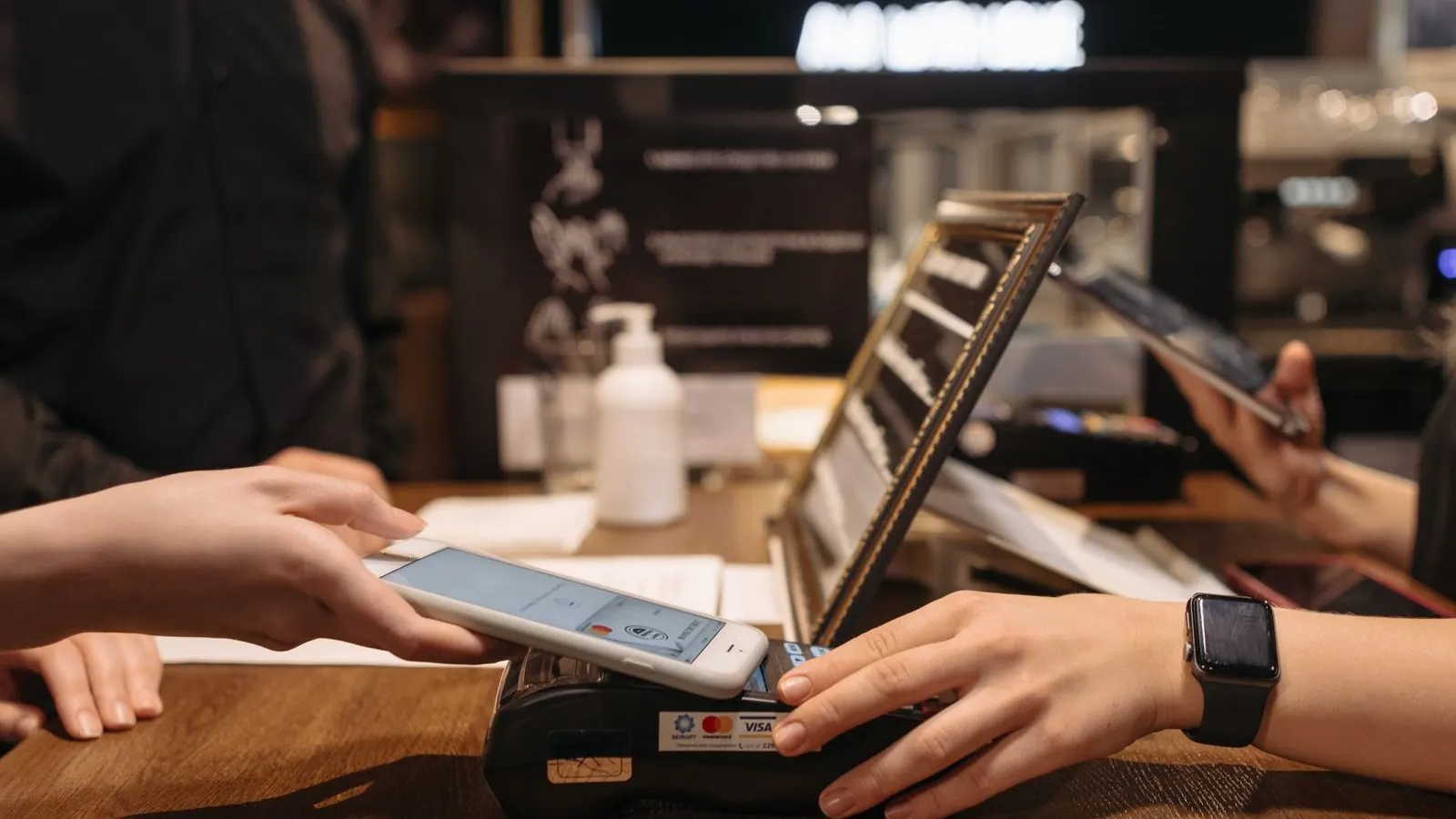
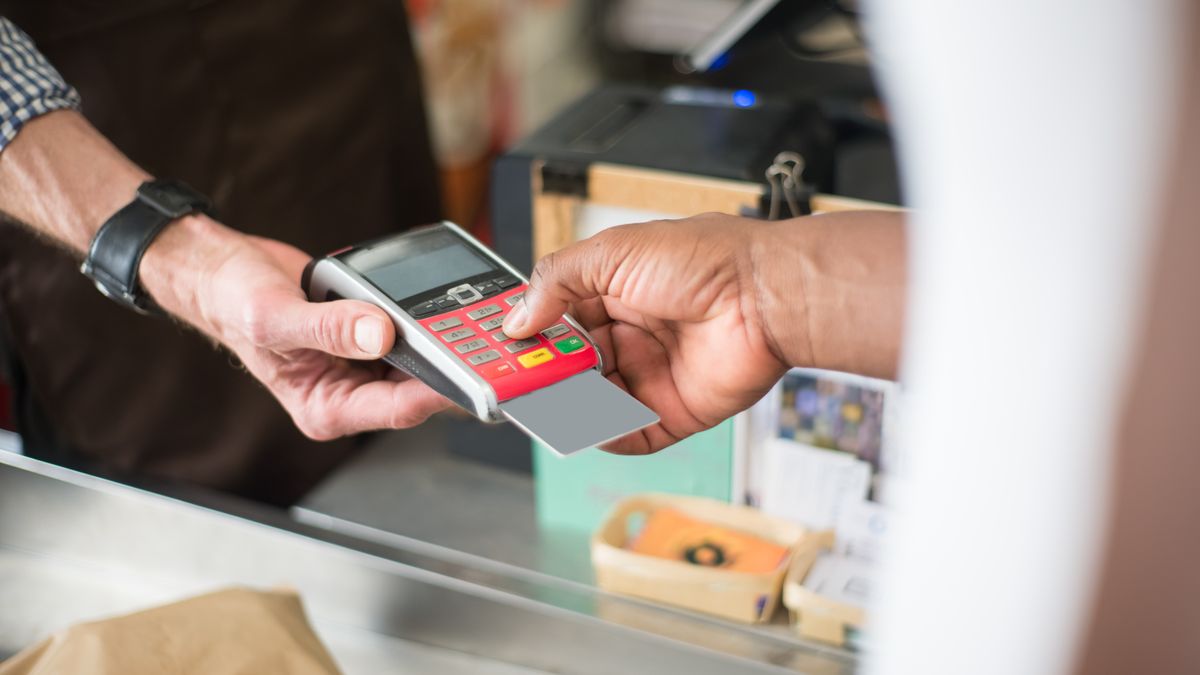
The budget version works almost as well when someone's present: a standard £19 SumUp or Square reader with a printed card beside it — Tap to donate £5. The volunteer keys £5 (or whatever the donor prefers), the donor taps, done. Same tap, same receipt, a fraction of the cost.
Who suits which: unattended locations justify a dedicated box; attended collections, events and fairs are perfectly served by a no-monthly-fee reader. Small charities should exhaust the £19 option before signing anything with a service plan.
Fees on donations: the honest arithmetic
Card fees apply to donations like any other payment. At SumUp's 1.69% flat rate, a £5 donation costs about 8p in fees, so £4.92 reaches the charity; at Square's 1.75% it's about 9p. On a £20 donation you're looking at 34-35p.
Is that acceptable? Compare the alternative: the £5 the donor didn't give because they had no cash. Losing 8p of £5 beats losing 100% of nothing, every single time.
Be transparent about it. A small line — card fees mean about 98p in every £1 reaches us — costs you nothing and builds trust. Some providers have offered charity pricing at times, so it's worth asking yours directly rather than assuming the standard rate is the only option.
Gift Aid: the bit contactless can't do on its own
Gift Aid adds 25p to every eligible £1 donated, but it needs a declaration with the donor's name, address and confirmation they're a UK taxpayer — and a silent tap captures none of that. This is the genuine weakness of tap-to-donate, and it deserves a workaround rather than a shrug.
The practical fixes: paper declaration forms on the table next to the reader for donors with a minute to spare, or a QR code linking to a short online Gift Aid form they can complete later. Neither captures everyone, but every completed declaration is worth 25% more donation.
For larger sums, steer donors to your online donation page instead, where Gift Aid capture is built into the flow. The tap box is for the £5s; the website is for the £50s.
Events, fairs and street collections
Events are where portable readers earn their keep — a summer fair, a sponsored walk finish line, a bake sale. Everything in our market traders guide applies: battery life, signal, and keeping the payment moment quick.
For outdoor pitches with dodgy signal, a reader with its own SIM (the SumUp Solo runs about £79) beats one that leans on a volunteer's phone hotspot. Charge everything the night before and bring a power bank — a dead reader at 2pm on fair day is a preventable tragedy.
Remember the £100 contactless card cap exists but is irrelevant here; phone wallets are uncapped anyway, and if someone insists on donating more than £100 by card you will find a way.
Governance basics: accounts, permissions and volunteers
Donations must land in the charity's own bank account, never a trustee's or volunteer's personal one — that's basic governance, and it's also what payment providers expect. When you sign up, register as the charity with its charity number; providers verify organisations, and requirements for charity accounts vary, so check with your provider and follow your regulator's guidance on handling funds.
Note that Zettle settles into a PayPal account, which your treasurer may or may not want in the mix — SumUp and Square pay into an ordinary bank account, which keeps the books simpler.
Keep the setup boring and auditable: one account, named access for whoever manages it, and the app's transaction record shared with the treasurer. Your future AGM will thank you.
Getting a small charity tapping this month
The minimum viable setup: one £19 reader on a no-monthly-fee account in the charity's name, a printed suggested-amount card, a stand or table mount, and a QR code for Gift Aid follow-up. Total outlay: about £25 including the printing.
Then measure it. Most small charities that add contactless find takings at attended collections rise simply because the payment method matches what people carry — and the reader's records give you clean numbers per event, which cash tins never did.
If you're weighing up hardware beyond the basics, our tap to pay guide explains what the tap actually does — useful ammunition for the trustee meeting.
FAQs
How can a small charity accept contactless donations?
The cheapest working setup is a £19 SumUp or Square reader on a no-monthly-fee account in the charity's name, with a printed card suggesting an amount. A volunteer keys the amount, the donor taps, and the money settles to the charity's bank account. Dedicated fixed-amount donation boxes are worth it mainly for unattended locations.
What fees do charities pay on contactless donations?
Standard transaction fees apply: about 8p on a £5 donation at SumUp's 1.69%, or about 9p at Square's 1.75%. There are no monthly costs on these accounts, and it's worth asking providers directly whether any charity pricing is available. Being transparent with donors about the small fee builds trust rather than denting it.
Can you claim Gift Aid on contactless donations?
Only with a declaration — the tap itself captures no donor details. Use paper forms beside the reader or a QR code to a short online Gift Aid form, and route larger donations to your website where declaration capture is built in. Every completed declaration adds 25% to the donation.
Do tap-to-donate boxes work at outdoor events?
Yes, with two caveats: battery and signal. Charge everything beforehand, bring a power bank, and for weak-signal pitches consider a reader with its own SIM like the SumUp Solo at around £79. A payment reliant on a volunteer's phone hotspot fails exactly when the queue is longest.