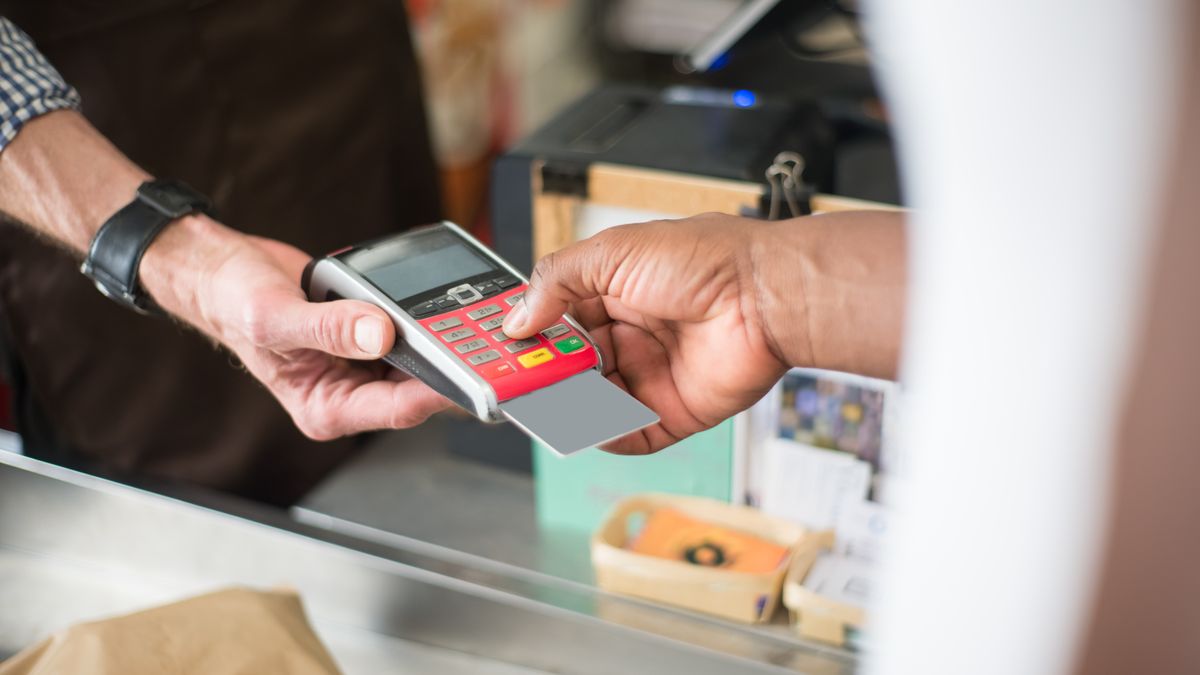
Picking a card machine for a seasonal business comes down to one rule: pay nothing in the months you don't trade. Christmas market stalls, summer campsites, ice cream kiosks and festival pitches all share the same shape — intense trading for weeks, then silence — and that shape makes monthly-fee terminals a quietly terrible deal. Here's the arithmetic, plus the practical stuff nobody mentions: frozen batteries, field signal, and temporary staff on your till.
The seasonal rule: never pay in months you don't trade
A contracted terminal at £15 a month costs £180 a year whether you trade for fifty-two weeks or six. If your season is six weeks of Christmas markets, you're paying roughly £135 of that for a machine sitting in a cupboard — a standing charge on hibernation.
No-monthly-fee readers invert this completely. A £19 SumUp reader charges 1.69% when you sell and precisely nothing when you don't; Square's £19 reader works the same way at 1.75%. Your dormant months cost £0.00, which is the correct price for not trading.
This is the single biggest decision for seasonal traders, and it's why our no-monthly-fee comparison should be your starting point. Quote-based providers like Dojo or Worldpay can suit year-round volume; for seasonal trade, check any proposed contract's monthly costs against your real trading calendar before signing anything.
The arithmetic on a Christmas market season
Say you take £800 a weekend across six market weekends — £4,800 for the season. At SumUp's 1.69% your total card cost is about £81; at Square's 1.75% it's £84. That's the entire year's payment bill, because the other ten months cost nothing.
The same season on a contracted terminal: £180 in rental across the year before a single transaction fee, plus whatever percentage the contract charges. Even a lower headline rate rarely claws back the standing charge at seasonal volume.
Run your own season through the fee calculator with real numbers. The break-even point where contracts beat flat rates sits far above what most seasonal stalls turn over.
Hibernating your reader between seasons
Here's the quietly brilliant bit: with no-contract providers there's nothing to cancel in the off-season. The account stays open at no cost, the reader goes in a drawer, and next season you charge it up and carry on. No notice periods, no re-onboarding, no phone calls to a retention department.
Two small bits of housekeeping: give the reader a charge every couple of months so the battery doesn't deep-discharge, and log into the app occasionally to keep your details current. Check your provider's current terms on dormancy — practices can change — but the design intent of these accounts is exactly this stop-start pattern.
Compare that with cancelling and re-signing a contracted terminal every year, which is a part-time job in itself. The no-contract route has its catches, but hibernation isn't one of them.
Cold weather: batteries hate Christmas markets
Lithium batteries drain faster in the cold, and a December market is exactly the environment reader batteries were not dreamed up in. A reader that lasts all day in July can fade by mid-afternoon in freezing fog.
The fixes are cheap and unglamorous: start every shift at 100%, keep a charged power bank in the cash box, and keep the reader in an inside pocket or under the counter between customers rather than lying on a frosty table. Cold fingers also fumble PINs — thankfully most market purchases sit under the £100 contactless cap, and phone wallets are uncapped anyway.
If you trade long winter days regularly, a second reader is £19 of insurance. One charges while one works, and a dead reader never costs you the 4pm rush.
Festivals and field sites: bring your own signal
Summer season means fields, and fields mean the same connectivity gamble that market traders and food trucks know well — everything in our market traders guide and food truck guide applies here.
A reader with its own SIM, like the SumUp Solo at around £79, takes your phone out of the equation and usually finds signal better than a handset buried in your apron. At big festivals, be warned: forty thousand phones on one mast can choke data for everyone, so ask organisers about trader connectivity before pitch day.
Backup plan for true dead zones: a note of the sale and a payment link sent when signal returns works for trusted repeat customers, though it's a judgement call on strangers. Cash as a fallback still has its place in a field.
Temporary staff on a shared till, honestly
Seasonal trading means seasonal staff — often someone you hired a fortnight ago handling your takings. The honest answer is that cheap readers have basic controls, not full staff-management suites: Square's free POS supports team member logins, while simpler setups may mean everyone shares one app login.
Mitigate with process rather than paranoia: one person owns the reader per shift, refunds require you, and you glance at the transaction list daily — flat-rate apps make that trivially easy from your phone. Most discrepancies turn out to be honest mistakes, and named shifts make them easy to unpick.
If tips are part of your trade, remember UK law: 100% of tips go to staff, with no deductions for card fees. Seasonal staff know their rights, and so should you.
Use the quiet months to read your numbers
One underrated perk of app-based readers: the data doesn't hibernate when you do. Every transaction from the season sits in your dashboard all year — takings by day, by hour, average sale — ready for planning the next one.
That's how you learn that the second Saturday outsells the first by half, or that sales die after 7pm and the late pitch fee isn't worth it. Cash tins never told you any of that.
It also makes January admin painless: export the season, hand it to your accountant, done. For choosing between the main contenders before next season, our comparison tool lines them up side by side.
FAQs
What is the best card machine for a seasonal business?
A no-monthly-fee reader — SumUp (£19, 1.69%) or Square (£19, 1.75%) — because it costs nothing in the months you don't trade. Contracted terminals with monthly rental charge you all year for a machine that works six weeks, which is the wrong shape of deal for seasonal trading.
Do I need to cancel my card machine in the off-season?
Not with no-contract providers — there's nothing to cancel. The account stays open at no cost and the reader hibernates in a drawer until next season. Just charge the battery every couple of months and check your provider's current terms on dormant accounts.
How do card machines cope at cold Christmas markets?
Batteries drain noticeably faster in the cold, so start at full charge, carry a power bank, and keep the reader warm between customers. A £19 backup reader is cheap insurance for long winter days. Contactless helps too — cold customers tap faster than they type PINs.
Can I take card payments at a festival with poor signal?
Usually, with the right kit: a reader with its own SIM like the SumUp Solo (around £79) beats one relying on your phone, and asking organisers about trader connectivity beforehand is worth the email. In true dead zones, payment links sent once signal returns are the fallback.