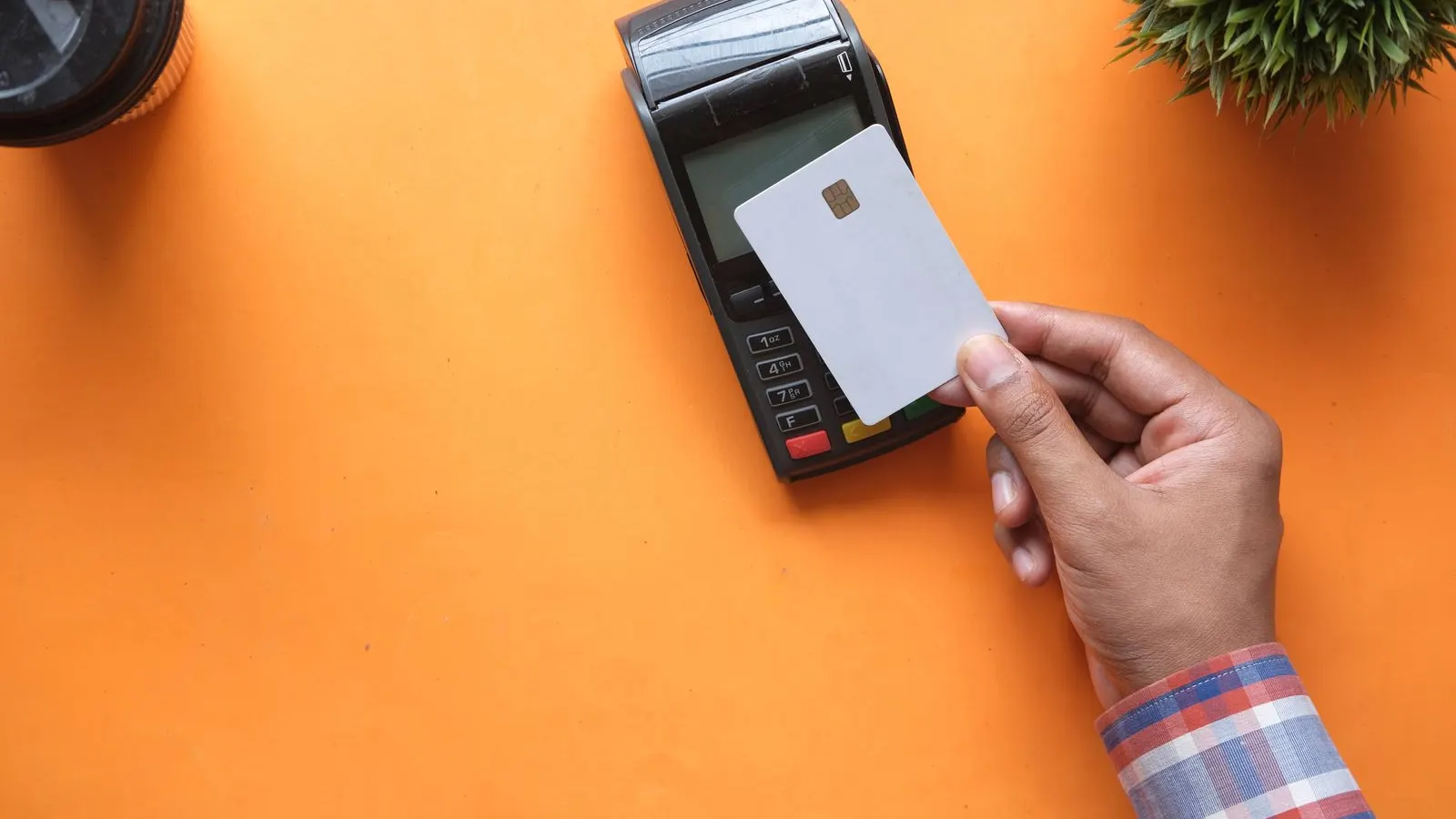
A PDQ machine is simply a card machine - PDQ stands for 'Process Data Quickly', a piece of 1990s banking jargon that stuck around in the trade long after everyone else started saying card machine, card terminal or card reader. If a salesperson says PDQ, they usually mean a bank-supplied terminal on a rental contract - and that detail matters more than the name.
The three types of PDQ (and their modern names)
The traditional trade classification still describes the market perfectly:
- Countertop: wired to the till, mains-powered - the classic shop terminal. Modern equivalent: any fixed terminal, or an iPad till with an integrated reader.
- Portable: connects over WiFi or Bluetooth within your premises - the pub and restaurant pay-at-table unit.
- Mobile: works anywhere with a SIM - the tradesperson's and market trader's machine. Modern equivalent: SIM readers like the SumUp Solo, or Tap to Pay on a phone.
Why the word 'PDQ' usually signals a rental contract
Vocabulary is a tell. Providers who say 'PDQ' are typically banks and acquirers selling the traditional package: rented terminal, monthly fees, negotiated rates, a fixed-term agreement. Providers who say 'card reader' are typically the flat-rate generation selling you a device you own outright with no contract.
Neither model is wrong - the rental-plus-rates package wins at high volume, the owned reader wins for everyone smaller - but knowing which conversation you're in stops you paying contract prices for reader-sized volume.
What a PDQ machine costs now
Traditional route: terminal rental commonly £15-£25 a month plus negotiated transaction rates and a contract. Modern route: buy a reader outright from £19 (SumUp, Square) or a standalone SIM terminal from around £79-£150, pay a flat 1.4%-1.75% per transaction, no monthly fee, no contract.
For most small businesses the modern route wins on arithmetic and on flexibility - and the comparison table shows both models side by side. The exception is the high-volume counter where negotiated rates repay the rental many times over.
So should you buy a 'PDQ machine' in 2026?
Buy a card machine, certainly - just be deliberate about which model. If you're searching 'PDQ machine' because a bank rep used the phrase, get their quote in writing and compare its all-in cost against a flat-rate reader at your turnover in the fee calculator before signing anything.
And if you just wanted to know what the acronym meant: Process Data Quickly. The industry has processed the name rather slowly.
FAQs
What does PDQ stand for?
'Process Data Quickly' - 1990s banking terminology for a card payment terminal. It survives mainly in trade vocabulary and bank sales conversations; it's the same thing as a card machine.
How much does a PDQ machine cost to rent?
Traditional rentals commonly run £15-£25 a month plus transaction fees and a contract. Compare that against owning a £19-£150 reader with no monthly fee before committing - at small-business volumes the owned reader usually wins.
Is a PDQ machine different from a card reader?
Functionally they take the same payments. 'PDQ' usually refers to the rented, contracted terminal model; 'card reader' to the buy-outright flat-rate model. The pricing model is the real difference, not the hardware.