"Do I need a card machine?" is the question most UK sole traders and small businesses ask before their first busy weekend. Short answer: probably yes, but not always. Here's the blunt, honest breakdown of card vs cash so you can decide without wasting money.
Do I need a card machine? The honest answer
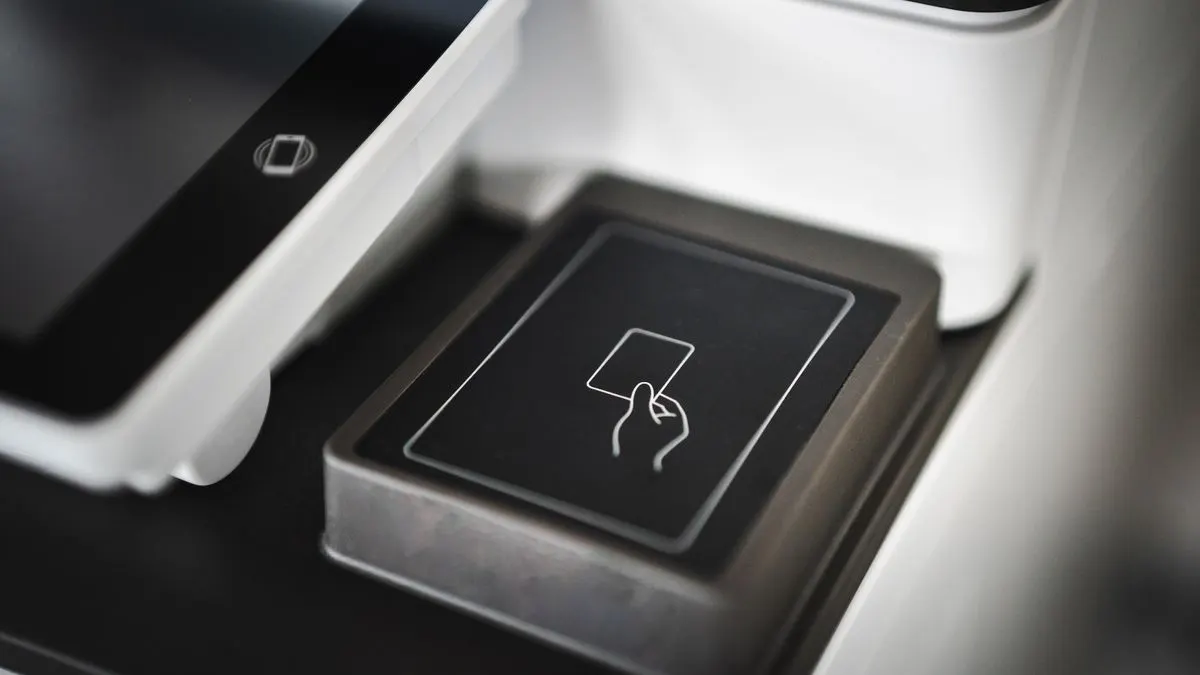
Do I need a card machine? For the vast majority of UK small businesses in 2026, yes. Cash use has fallen off a cliff, and a growing number of customers simply do not carry notes anymore. If you only take cash, every one of those people is a lost sale, and you will rarely even know it happened because they just walk off.
But this is not a blanket rule. There are genuine cases where cash-only is fine, and we'll cover those honestly further down. The point is to make the decision on the numbers, not on habit or on a vague fear that card fees will eat you alive. They usually don't.
The real case for taking cards
Three things push most businesses towards accepting card payments, and they are all backed by how people actually behave, not marketing fluff.
First, people spend more on card. When someone isn't counting physical notes, the psychological brake comes off and average transaction values go up. Second, you stop losing sales. "Sorry, cash only" at a market stall or a café counter sends people to the business next door, or to the cashpoint they never come back from. Third, in 2026 taking card is simply expected. Turning up cash-only can make a new business look amateur or unprepared, which is the last impression you want.
- Higher average spend: card customers tend to spend more per visit than cash-only ones.
- Fewer walk-aways: no lost sales from people who assumed they could tap.
- Looks professional: card acceptance is the baseline expectation, not a bonus.
- Faster queues: contactless is quicker than counting change at busy periods.
The real cost of taking cards vs cash
Card acceptance costs a small percentage per sale. To put real numbers on it, SumUp charges from around 0.99% to 1.69% per transaction depending on your setup, and Square is around 1.75%, both with no-monthly-fee options. Always check current terms before you sign up, as rates and plans change. On a £10 sale, that is somewhere between roughly 10p and 18p. That is the whole cost of the fee people worry so much about.
Now weigh that against cash, which is not free either. Cash means trips to the bank, some banks charging business customers to deposit takings, time spent counting a till and cashing up, the risk of theft or simple miscounting, and float management. Once you add the hours and the banking costs, the "free" option often isn't cheaper at all. Run your own figures through our fee calculator to see what card fees would actually cost your business per month.
- Card: a per-sale % (roughly 1-1.75%), no-monthly-fee plans available.
- Cash: banking or deposit fees, time cashing up, theft and error risk.
- On a £10 sale, a card fee is usually 10p to 18p, not the disaster people imagine.
- One lost £30 sale from turning someone away costs more than fees on dozens of card payments.
When cash-only actually makes sense
We're not going to pretend everyone needs a card machine. There are real situations where cash-only is perfectly sensible, and pushing a reader into fees they don't need would be dishonest.
If your sales are very low value and you'd rather not lose 1p on a 50p item, or you trade so rarely that the setup isn't worth it, cash-only can be the right call. Same if your customers are overwhelmingly cash-based and never ask to pay by card. The test is simple: are you actually losing sales or annoying customers by not taking card? If the honest answer is no, you're fine as you are.
- Very low-value items where fees genuinely eat the margin.
- Occasional or one-off trading, like a rare car boot sale.
- A customer base that reliably pays cash and never asks to tap.
- No evidence you're losing sales by staying cash-only.
The cheapest, low-commitment way to start
If you've decided to take cards, you do not need to commit to a contract or expensive kit. The whole point of modern card acceptance is that it's cheap and low-risk to try.
Card readers start from around £19 as a one-off buy, with pay-as-you-go fees and no monthly contract, so your only real cost is the per-sale percentage. Cheaper still, if you have a fairly recent smartphone you can use Tap to Pay on your phone and take contactless payments with no hardware at all. That means you can start accepting card for effectively nothing up front and see whether it lifts your takings before spending a penny on a reader.
- Buy a basic reader from around £19, one-off, no monthly fee.
- Or use Tap to Pay on a compatible phone with zero hardware cost.
- Pay-as-you-go pricing means no commitment if it doesn't work out.
- Test it for a few weeks and check whether your average sale goes up.
The verdict: should you accept card payments?
For most UK small businesses in 2026, the answer is yes, take card. The fees are small, genuinely a few pence on a typical sale, while the upside is higher spend, fewer lost customers and looking like a proper business. Cash isn't free either once you count banking and your own time, so the gap is far narrower than the "card fees are a rip-off" crowd claim.
Stay cash-only only if your sales are tiny in value, rare, or your customers genuinely never want to pay by card. Everyone else is very likely leaving money on the table. Start cheap with Tap to Pay or a sub-£20 reader, test it, and let your takings tell you the truth. If you want a shortcut, we can get matched to a provider that suits your trade and turnover.
FAQs
Do I legally need a card machine in the UK?
No. There is no law forcing UK businesses to accept card, and equally none forcing you to accept cash. It is a commercial decision. Most small businesses choose card because refusing it loses sales, but you are free to trade cash-only if you prefer.
How much does it cost to take card payments?
You pay a small percentage per sale, roughly 0.99% to 1.75% with providers like SumUp and Square, often with no monthly fee. Readers start from around £19, or you can use Tap to Pay on a compatible phone for no hardware cost. Always check current terms before signing up.
Is it worth taking card payments for a small business?
For most, yes. Customers tend to spend more on card and you stop losing sales from people who don't carry cash. On a £10 sale the fee is usually 10p to 18p, which is easily outweighed by a single sale you'd otherwise have turned away.
Can I take card payments without buying a machine?
Yes. If you have a fairly recent smartphone, Tap to Pay lets you accept contactless card and mobile payments with no extra hardware. It is the cheapest, lowest-commitment way to start taking card and see whether it lifts your takings.