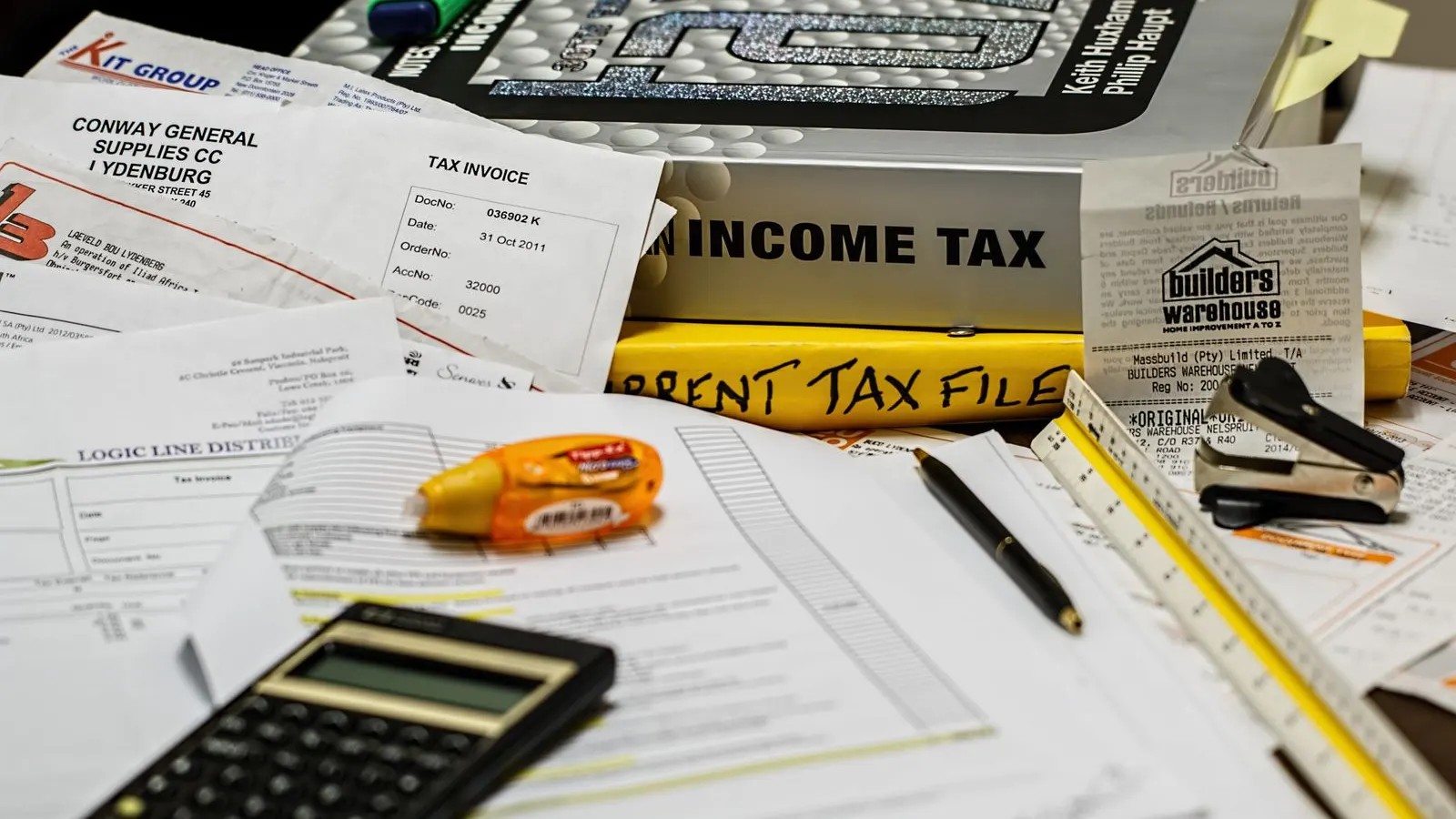
Surprising but true: there's no general legal requirement for a UK business to give customers a receipt for an in-person sale. Plenty of folklore says otherwise. But before you bin the receipt roll - there are real exceptions around VAT, online selling and refunds, and solid commercial reasons to offer receipts anyway. Here's where the law actually draws the lines.
The general rule (and the folklore)
For a face-to-face sale, no statute forces you to provide a receipt, and the customer's consumer rights exist whether or not paper changed hands - proof of purchase for a refund can be a bank statement, not just a till receipt. The 'legally must give a receipt' belief is folklore, like 'legal tender' at the till.
What is legally yours to worry about is your own record-keeping: every sale needs to be in your books for HMRC whether the customer took a receipt or not - which your card machine does automatically, and a cash-only till does not.
The real exceptions
Where receipts or paperwork ARE required:
- VAT invoices: if you're VAT-registered and a VAT-registered customer asks, you must provide a VAT invoice - and retail sales over certain amounts warrant at least a simplified VAT receipt on request.
- Online and distance sales: consumers must receive confirmation of the order and the required pre-contract information - effectively a receipt by law, usually the confirmation email.
- Some regulated trades carry their own paperwork duties (think vehicle sales, precious metals) - if you're licensed for something, check your licence conditions.
- Refund policies you advertise: if your posted policy says 'with receipt', you've made the receipt matter - your policy binds you.
Why you should offer receipts anyway
Receipts are cheap goodwill and cheaper dispute insurance. A customer with a receipt resolves their issue with you; a customer without one increasingly goes to their bank - and a chargeback costs you more than a lifetime's till roll. The receipt is your evidence as much as theirs.
Digital receipts settle the cost question entirely: every modern card machine offers email/text receipts at zero marginal cost, customers who don't want one just tap 'no receipt', and the ones who do get a record that never fades in a wallet. It's the correct default for almost every small business.
What to keep for yourself
Your side of the paperwork is not optional: sales records for HMRC (typically 5+ years for Self Assessment, 6 for companies), your card provider's statements, and VAT records if registered - all of which your payment provider generates for you as a by-product of taking cards. It's one of the quiet arguments for card-first trading covered in our tax deductibility guide.
Practical setup: digital receipts on, merchant copies off (the app holds them), and a monthly statement download into your bookkeeping folder. Total ongoing effort: minutes.
FAQs
Is it illegal for a shop not to give a receipt in the UK?
No - there's no general legal duty for in-person sales. Exceptions exist (VAT invoices on request if VAT-registered, online order confirmations, some regulated trades), and customers keep their refund rights either way.
Can a customer demand a receipt?
They can ask, and it's almost always smart to oblige - but outside the VAT-invoice and distance-selling cases, it's good practice rather than law. A bank statement counts as proof of purchase for consumer rights purposes.
Are digital receipts legally valid?
Yes - email and text receipts serve every purpose paper does, including VAT invoices if they contain the required details. They're also free, unlosable and better evidence in disputes.