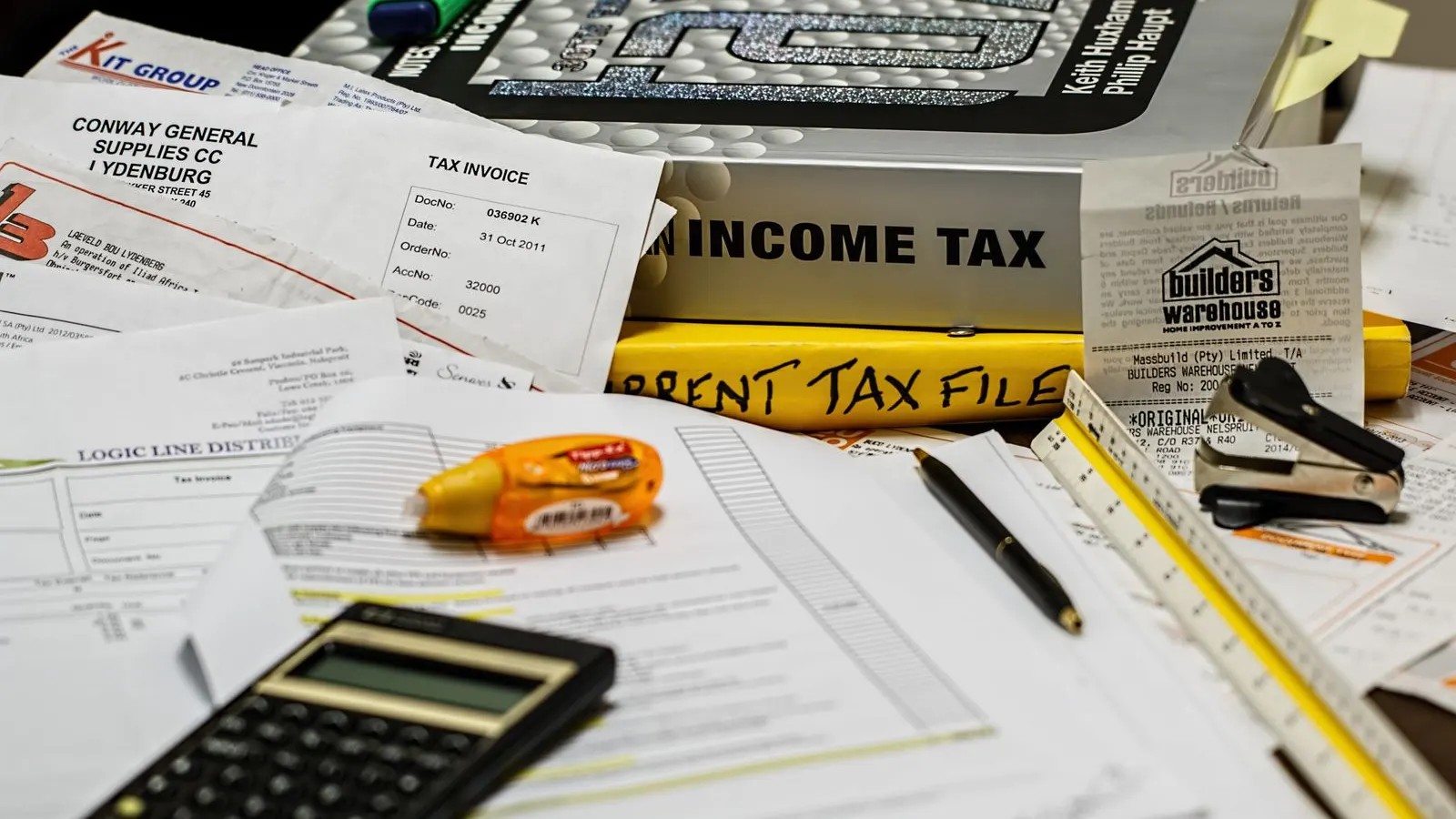
Yes - card machine fees are tax deductible in the UK. Processing fees, monthly terminal charges and the reader itself are all allowable business expenses, which softens the sting of that 1.69% a little. The part that trips people up is VAT, where card fees behave differently from most business costs. Here's the plain-English picture (with the obvious caveat: your accountant knows your situation, we don't).
What you can deduct against your profits
Card costs pass HMRC's 'wholly and exclusively for business' test easily - taking payments is about as core to trading as it gets. That goes for sole traders on Self Assessment and limited companies alike.
- Transaction fees: the 1.4%-1.75% skimmed off every sale. Your provider's monthly statement is the record.
- Monthly charges: terminal rental, POS software subscriptions, minimum service charges, PCI fees (though read our PCI piece before accepting you should be paying those).
- Hardware: the £19 reader is a straightforward expense; bigger till setups are typically claimed via capital allowances - in practice the Annual Investment Allowance usually gives full relief in year one anyway.
- Related costs: receipt paper, spare chargers, even the chargeback admin fees nobody enjoys.
The VAT quirk that surprises everyone
Here's the one worth knowing before your first VAT return: card processing fees are generally exempt from VAT, because payment processing is a financial service. Your SumUp or Worldpay statement doesn't have VAT hiding in it - which means there's no input VAT to reclaim on the fees, even if you're VAT-registered. People go hunting for a VAT receipt for their card fees; there isn't one, and that's normal.
Hardware and software are different: the card reader, the till, and POS software subscriptions are standard-rated, so VAT-registered businesses can reclaim the VAT on those in the usual way. Keep the invoices - the reader's VAT invoice from the provider, not just the payment confirmation.
The records that make this painless
Your card provider is quietly generating most of your evidence: monthly statements itemise fees to the penny, and every transaction is dated and logged. Download the statements monthly (don't rely on the provider keeping years of history in your dashboard), and make sure your bookkeeping records gross sales and fees separately - sales of £5,000 with £85 of fees, not net takings of £4,915. That split matters for both accuracy and VAT.
If you're doing your own books, the accounting integrations on modern POS systems push this automatically - one of the genuine arguments for proper EPOS once you're VAT-registered and inside Making Tax Digital. And if your fees feel big enough to notice at tax time, that's your cue to check you're not overpaying in the first place: two minutes in the fee calculator tells you.
FAQs
Can I claim card fees if I'm a sole trader using the trading allowance?
Not both - the £1,000 trading allowance replaces claiming actual expenses. Once your costs (card fees included) exceed £1,000, claiming actual expenses is usually better. Compare both ways or ask your accountant.
Is there VAT on SumUp, Square or Zettle fees?
Transaction processing fees are generally VAT-exempt financial services - no VAT charged, nothing to reclaim. Hardware and paid software subscriptions do carry VAT, which VAT-registered businesses can reclaim with a proper invoice.
Can I put my card reader through the business if I also use the account for personal sales?
The business proportion, yes. But mixing business and personal through one card account creates exactly the muddle HMRC dislikes - a separate account for the business costs nothing and makes every claim cleaner.
Do I need to keep card machine statements for HMRC?
Yes - normally at least 5 years after the 31 January deadline for sole traders, 6 years for companies. Download monthly PDFs rather than trusting the provider's portal to hold history forever.