A chargeback is a card payment pulled back out of your account by the customer's bank - money you thought was yours, gone while the dispute is decided. For most small businesses they're rare, which is exactly why the first one is so disorienting. Here's how the process actually works in the UK, what it costs, and the unglamorous habits that prevent most of them.
What a chargeback is (and isn't)
A chargeback is the card schemes' dispute process: the customer goes to their bank claiming a transaction was fraudulent, wrong, or not what they paid for; the bank reverses the payment while the claim is examined; your provider passes the debit - and usually an admin fee - to you. You then get a window to submit evidence ('representment') if you want to fight it.
It is not the same as a refund (which you control), and it's not Section 75 (a separate legal claim against credit card issuers for purchases over £100). Customers typically have up to 120 days from the transaction - or from when they expected delivery - to dispute, so a chargeback can land months after you banked the money.
What it costs you
Three costs stack up, and only the first one is obvious:
- The transaction amount - clawed back immediately, before any decision. If you lose, it's gone; win, and it's returned.
- The admin fee - traditional acquirers commonly charge £15-£45 per chargeback, win or lose. Some flat-rate providers are kinder (Square, notably, doesn't charge chargeback fees) - check your provider's rate card before you need to.
- The pattern penalty - the one that really matters. A high chargeback ratio (roughly above 1% of transactions) gets you flagged by the schemes, and providers respond with held funds, higher rates or closed accounts. One chargeback is a Tuesday; a pattern is a threat to your ability to take cards.
How to win the ones you fight
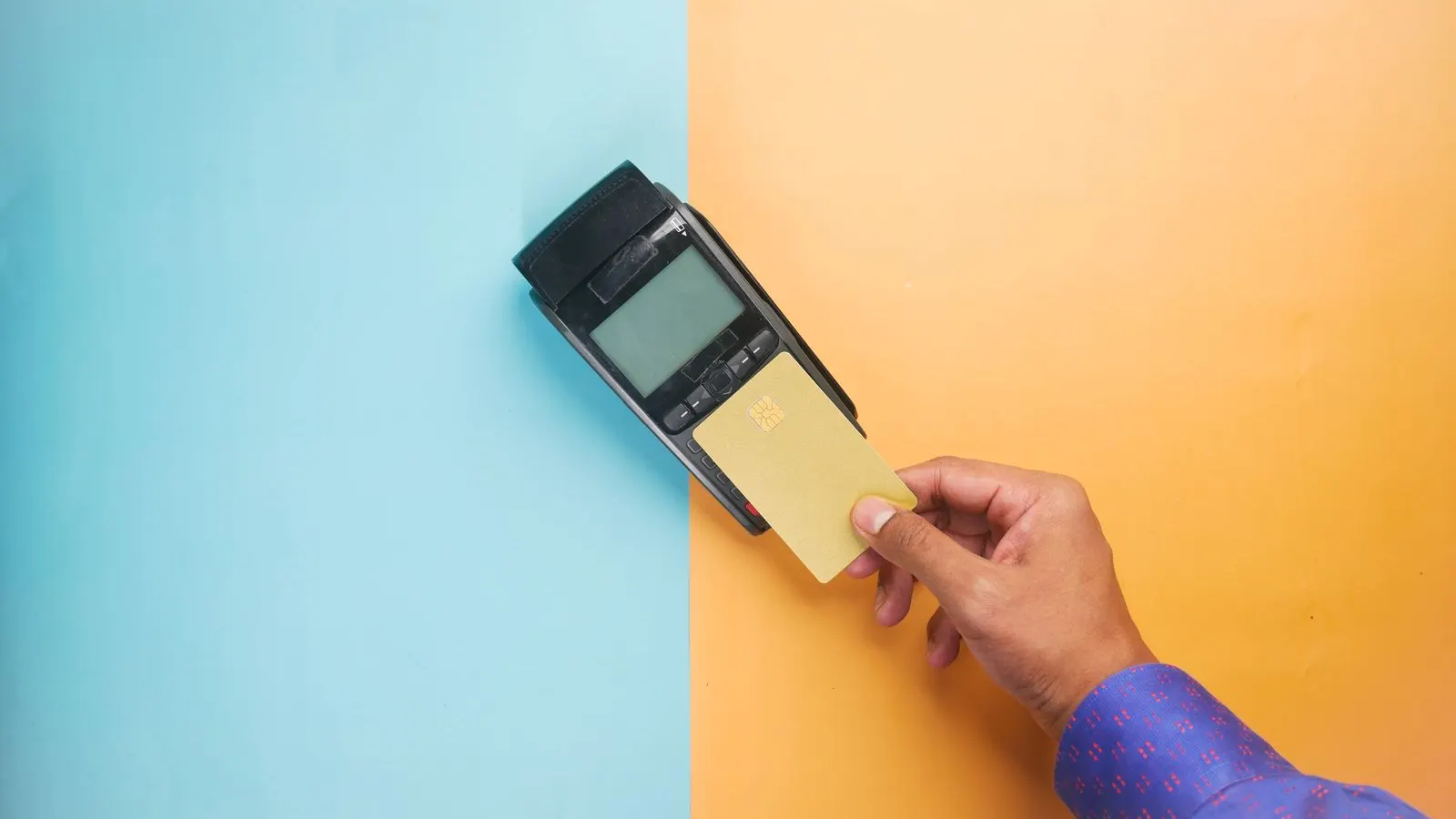
For in-person payments you hold the strongest card there is: chip-and-PIN and contactless transactions shift fraud liability to the bank in most cases, so 'I didn't make this payment' disputes on tapped transactions rarely stick. Respond to the evidence request with the receipt data from your POS and let the process work.
For online, phone and invoice payments the burden is on you, so the evidence is the business model: proof of delivery with signature, the customer's order confirmation, your refund policy as shown at checkout, and any correspondence. Submit inside the deadline - a strong case filed late is a lost case. And pick your battles: fighting a £12 dispute costs more attention than it returns; fighting a £600 one with delivery proof is usually worth the twenty minutes.
The habits that prevent most chargebacks
Most disputes aren't fraud - they're confusion or frustration taking the path of least resistance. Which means they're preventable:
- Fix your billing descriptor: if your card statements say your Ltd company name instead of your trading name, customers genuinely don't recognise the charge. This single fix prevents a surprising share of disputes.
- Make refunds easy and fast: a customer who can get a refund from you in one message has no reason to call their bank. Being difficult about refunds is how you convert £20 refunds into £45 chargeback fees.
- Issue receipts every time - digital or paper. The receipt is both the customer's memory and your evidence.
- For deliveries: tracked shipping on anything you'd mind losing, and keep the proof for six months.
- Answer your phone and emails. 'Couldn't reach the merchant' appears in dispute reasons constantly.
FAQs
How long does a customer have to raise a chargeback?
Typically up to 120 days under scheme rules - from the transaction date, or from when goods/services were expected. In practice most land within a few weeks; budget mentally for the stragglers.
Can I refuse a refund and just fight the chargeback instead?
You can, and you'll usually regret it - the chargeback costs you the amount, possibly an admin fee, and a mark on your ratio, even when you win. A refund you control is nearly always cheaper than a dispute you don't.
Do chargebacks apply to contactless and chip-and-PIN payments?
They can be raised, but fraud-based disputes on chip/PIN and contactless usually fail because liability sits with the bank once the card was verified in person. Card-present businesses see far fewer successful chargebacks than online sellers.
What's an acceptable chargeback rate?
As close to zero as possible; the schemes start caring around 1% of transactions. A typical small shop sees a handful a year at most - if you're seeing several a month, treat it as a process problem, not bad luck.