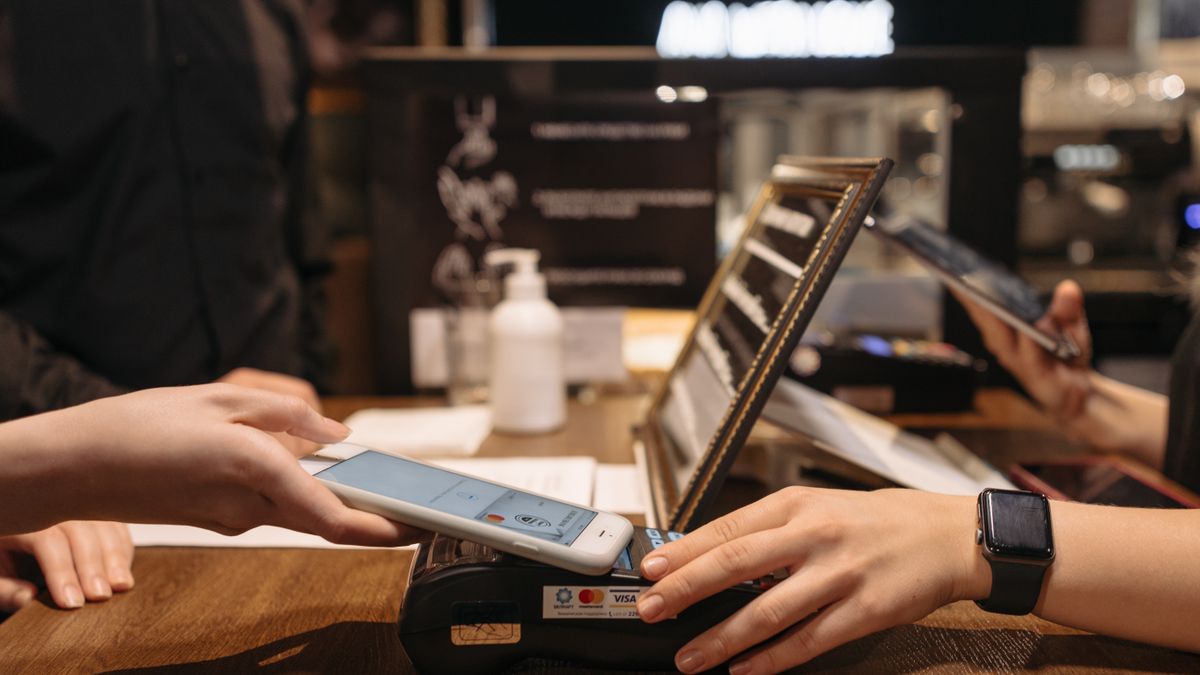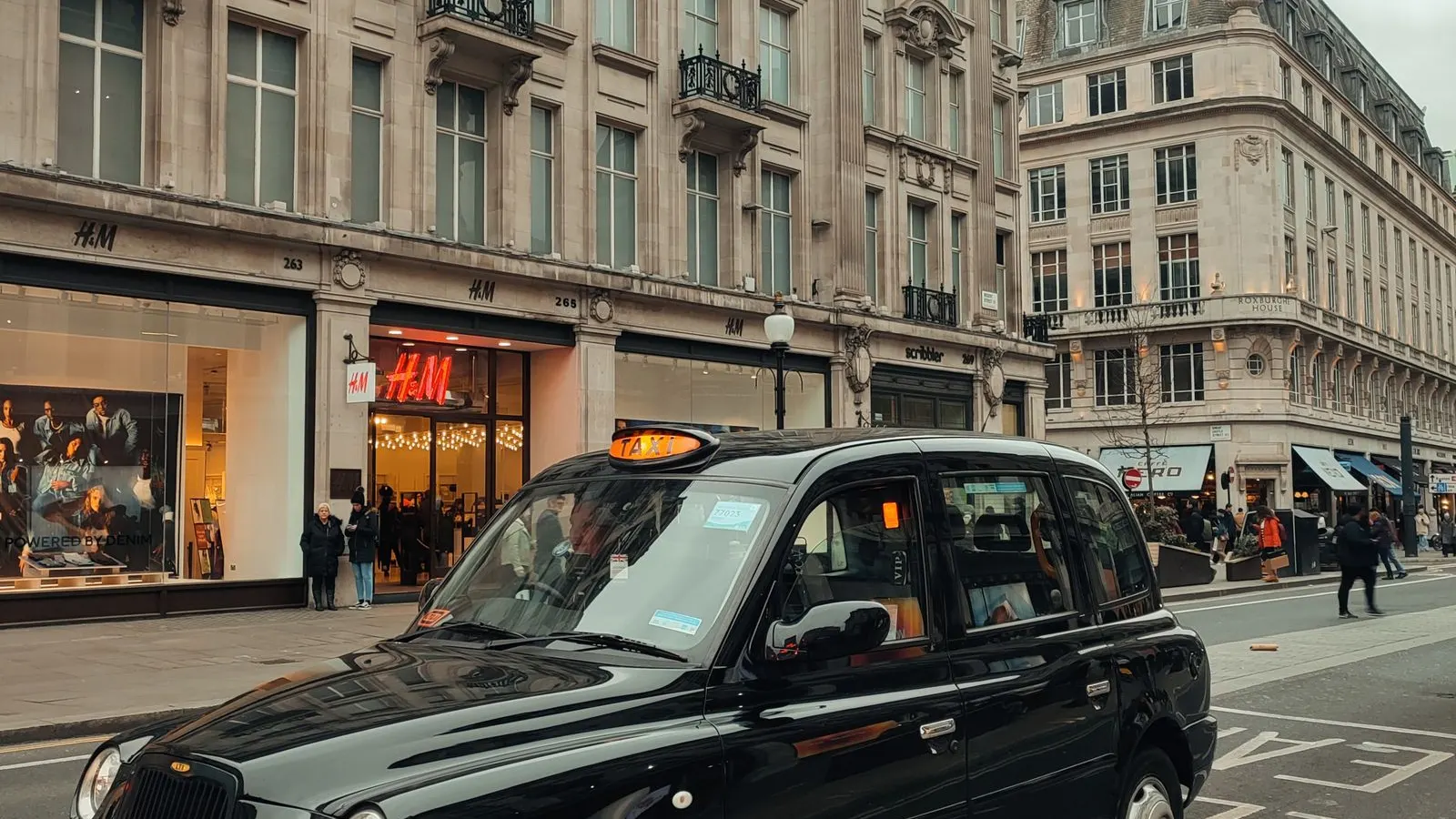
For London black cabs, card acceptance isn't optional - TfL has required it since 2016, with approved passenger-facing devices. For every other taxi and private-hire driver in the UK, it's not law but it's increasingly the fare: passengers assume they can tap, and the driver who can't is the driver who gets cancelled on. Here's the setup that works in a cab, and what it costs on real fares.
The rules, depending on what you drive
London black cabs: cards are mandatory under TfL rules, using approved devices, with the passenger able to pay in the back. If that's you, your device choice is constrained to the approved list and your fitting matters as much as your fees - check TfL's current requirements before buying anything.
Private hire and taxis outside London: no blanket legal requirement, but local licensing conditions vary and the commercial reality doesn't - app-hailed passengers never carry cash, and even street hails increasingly expect the tap. Treat card acceptance as standard kit, like the meter.
The kit that survives shift work
A cab is a hostile environment for payment hardware: long shifts, no mains power, patchy signal on the move. The spec that works:
- A standalone reader with its own SIM (SumUp Solo or similar, from ~£79) - your phone stays free for the sat-nav and the next job.
- Battery for a full shift plus a 12V charger - the reader that dies at 11pm on a Saturday costs you the night's best fares.
- Tap to Pay on your phone as the zero-hardware backup - it turns a dead reader into a shrug instead of a lost fare.
- No monthly fee: driving income is variable, and a fee that ignores quiet weeks is the wrong shape - the no-monthly-fee readers fit how the job actually pays.
The fee maths on a £12 fare
At 1.69%, a £12 fare gives up about 20p. Across a £600 card week that's roughly £10 - annoying, real, and still cheaper than the fares lost by being cash-only, because the passenger with no cash doesn't ring you back later. Card-paying passengers also tip more reliably when the prompt appears at payment.
Watch the per-transaction pence fees when comparing: on small fares a '1.4% + 7p' deal can cost more than a flat 1.69%. It's exactly the kind of small-ticket arithmetic the fee calculator settles in seconds - put in your real average fare.
Practicalities from the rank
Mount the reader where the passenger can tap without gymnastics; digital receipts by text for the expense-account crowd (they tip better); and know your dead zones - if your patch has signal black spots, a reader that queues offline payments matters, but read the provider's liability rules first because an offline decline is usually your loss.
Payout speed is worth a thought too: next-day payouts smooth the fuel-and-float cycle, and some providers settle weekends - the comparison covers who. For a working driver, cash flow beats a fractionally lower rate most weeks.
FAQs
Do taxi drivers legally have to take card payments?
London black cabs, yes - TfL has mandated approved card devices since 2016. Elsewhere it depends on local licensing conditions, but commercially it's become standard everywhere: cash-only costs fares.
What's the best card machine for a taxi?
A standalone SIM reader (SumUp Solo or similar) with all-shift battery and a 12V charger, on a no-monthly-fee plan - plus Tap to Pay on your phone as backup. Avoid anything with a monthly fee unless your card volume genuinely justifies it.
What if there's no signal when the passenger pays?
SIM readers hop networks, which solves most of it. Some providers queue offline payments with limits - know your provider's rules, because offline payments that later decline are typically the merchant's loss.