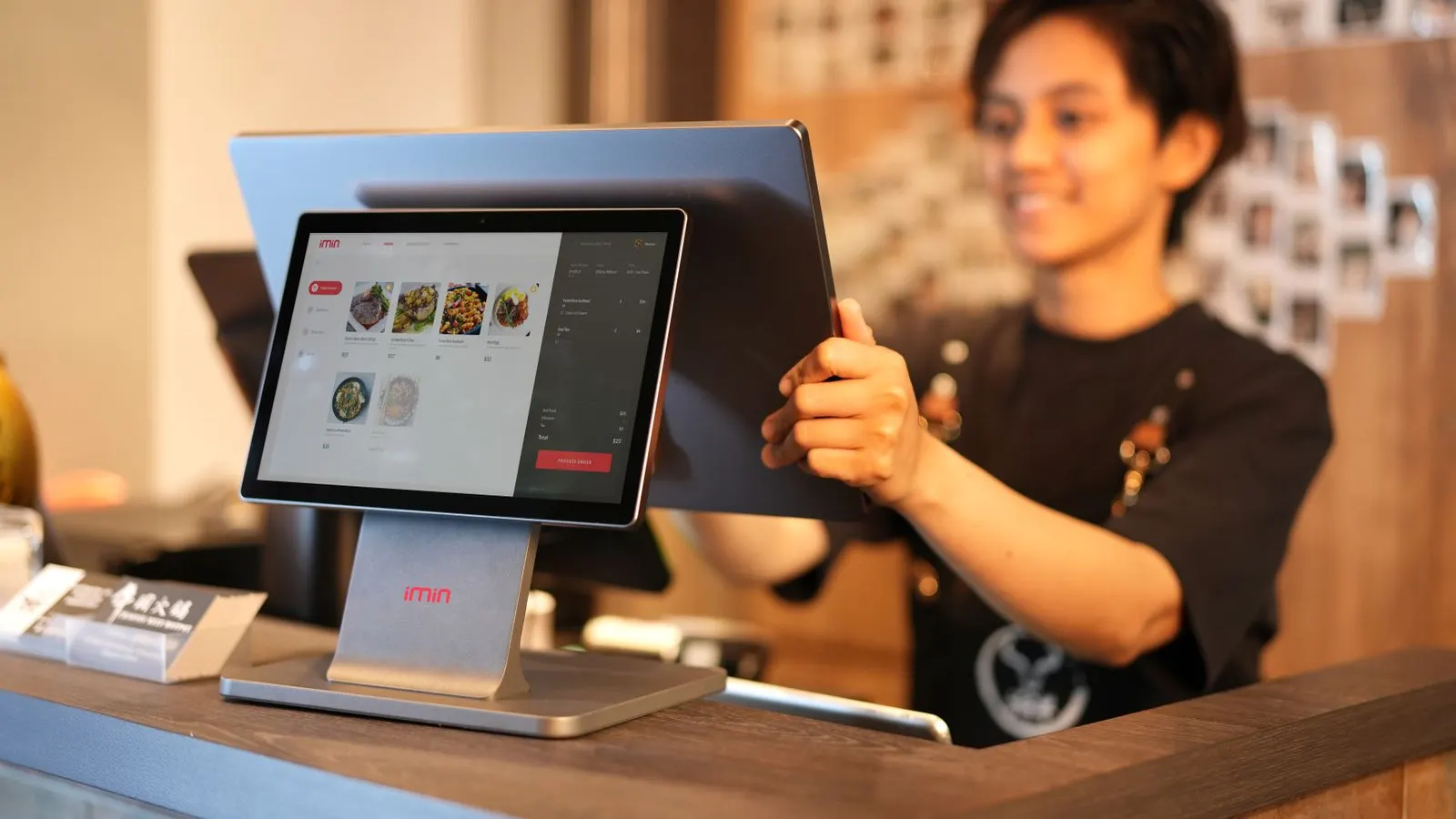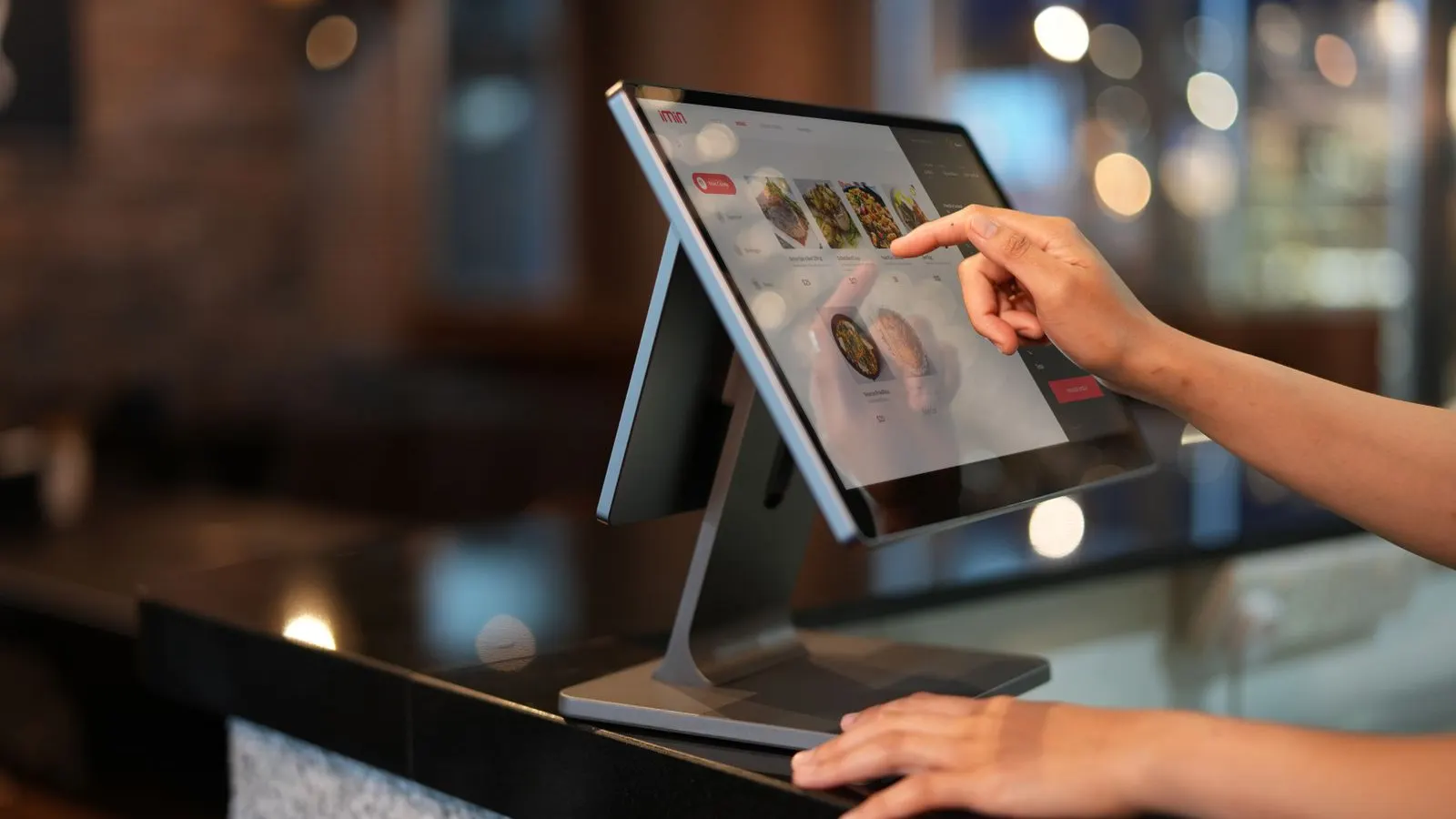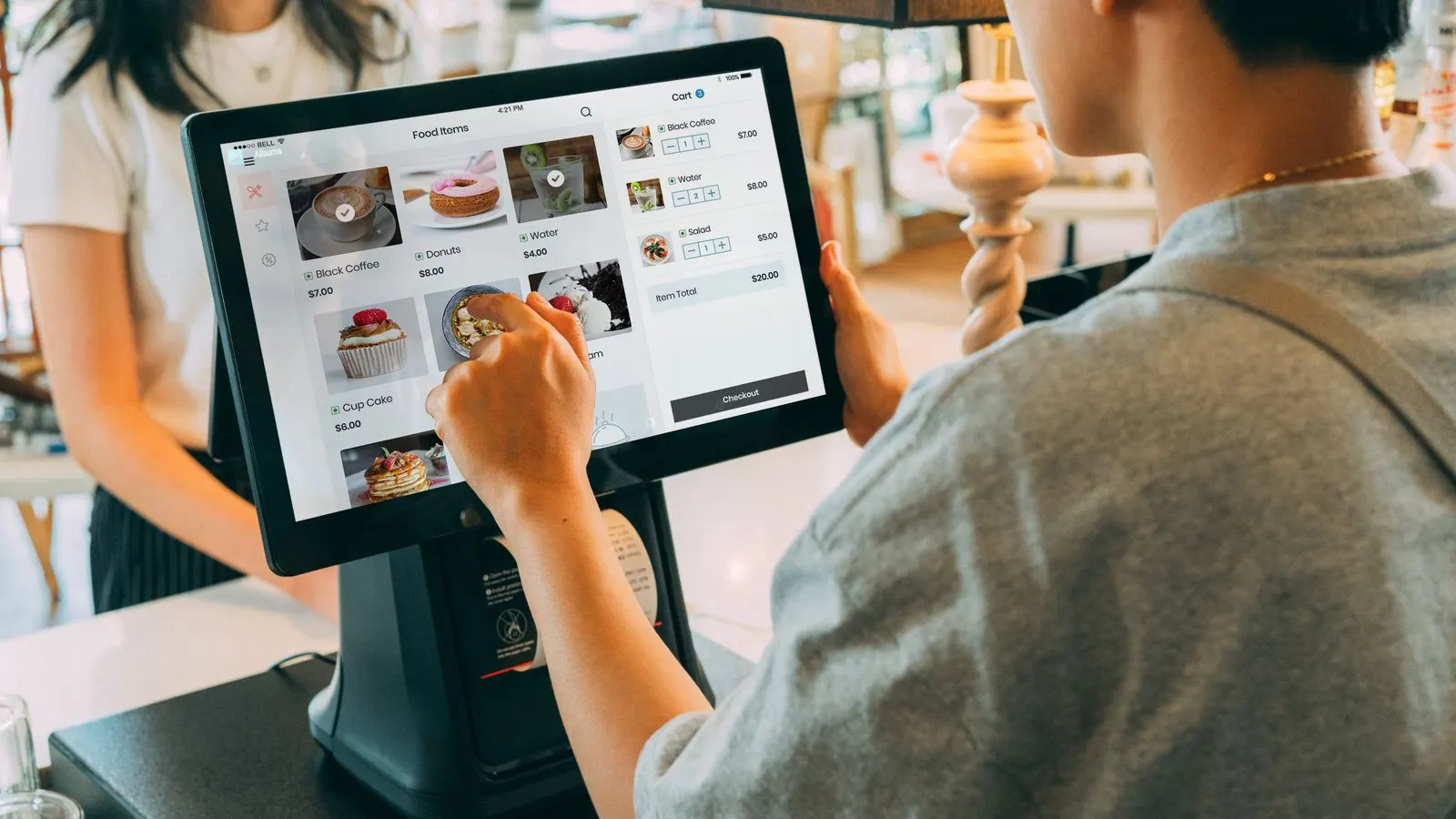
Free POS software in the UK is genuinely free and genuinely good - Square, SumUp and Zettle all give away till software that would have cost £50 a month a decade ago. The catch isn't hidden; it's structural: they make their money on the 1.69%-1.75% per transaction, so the software is the shop window. Here's exactly what free gets you, where the paywalls sit, and who genuinely never needs to pay.
What the free tiers actually include
All three of the big free systems cover the fundamentals properly - this isn't crippleware:
- Square POS: the most complete free till in the UK - unlimited products, basic inventory with low-stock alerts, digital receipts, refunds, reporting, plus a free online store and invoicing. Free versions of its Restaurants, Retail and Appointments apps too.
- SumUp POS app: product catalogue, variations, receipts, sales reports and VAT rates - everything a stall, cafe or salon chair needs on a phone or tablet.
- Zettle POS: solid product library, stock tracking, staff via PayPal integration, decent reporting. The natural pick if your money already lives in PayPal.
- The honourable mention: Shopify POS Lite comes bundled with any Shopify subscription - not standalone-free, but effectively free for existing Shopify merchants selling in person.
Where the paywalls actually sit
The upgrade lines are consistent across providers, and they're drawn where businesses stop being simple:
- Advanced inventory: multi-location stock, purchase orders, supplier management - paid (Square for Retail Plus, and the point where many shops jump to Epos Now or Lightspeed).
- Staff controls: individual logins, permissions and timecards beyond the basics - paid tiers, typically per-till or per-location pricing.
- Hospitality depth: coursing, kitchen displays, floor plans and menu engineering - free tiers take orders; paid tiers run a kitchen (Square for Restaurants Plus, or the dedicated platforms like Toast).
- Serious reporting: comparative periods, category margins, API access - paid everywhere.
Who never needs to upgrade (and who's kidding themselves)
Never need to pay: market traders, mobile hairdressers, tradespeople, coffee vans, small cafes with simple menus, and anyone whose till mostly rings sales and takes payments. The free tiers were built for you, and the providers earn plenty from your transaction fees. Pair one with a £19 reader and stop reading pricing pages.
Kidding themselves: shops that count stock weekly by hand while refusing a £30/month plan that would automate it, and food-led venues running a kitchen off a free order-taking app. The test isn't turnover, it's friction - the moment you build a spreadsheet to compensate for the free tier, the paid tier has become the cheaper option. Our POS cost breakdown prices the upgrade paths honestly.
The 'free' that isn't: trials and bundled hardware
Be careful with two lookalikes. 'Free trial' EPOS (Epos Now, Lightspeed and friends) is paid software with a fortnight's grace - fine products, but you're choosing a subscription, so evaluate them as one. And 'free terminal included' offers from contracted providers bake the hardware into a 12-48 month agreement - the terminal is free the way a phone is free on a £60/month contract.
Genuinely free means: download the app today, pay only when you sell. If a rep needs your phone number before you can see the price, it isn't this category. When you're weighing free against paid for your specific setup, the comparison table shows every system's real all-in costs side by side.
FAQs
What's the best free POS software in the UK?
Square, for most businesses - its free tier is the deepest (inventory, online store, invoicing, industry-specific apps). SumUp wins on simplicity and reader price; Zettle if you're PayPal-centric. All three are legitimate, not trials.
How do free POS providers make money?
Transaction fees - typically 1.69%-1.75% per card payment - plus paid software tiers and hardware. The model is honest: free software brings you in, your card volume pays for it.
Can I use free POS software without their card reader?
Mostly the software and payments come as a pair - that's the deal that makes it free. You can usually record cash sales regardless, but card payments route through the provider's own processing.
Is free POS software good enough for a shop with staff?
For two or three trusted staff and a simple range, often yes. Once you need individual logins, permissions and multi-location stock, you're in paid-tier territory - roughly £25-£70 a month depending on the system.