Card payments for a B&B or guest house are a different animal from a shop's. Your average transaction is £100-plus, half your bookings arrive by phone or through Booking.com, and your worst enemy isn't a slow checkout queue — it's the guest who never arrives. This guide covers deposits and card-on-file, virtual terminals for phone bookings, chargebacks on no-shows, and why taking direct bookings on your own card setup quietly pays for itself.
OTA bookings vs direct: who takes the card matters
When a guest books through Booking.com or a similar site, the platform typically handles the card online and you receive a payout — convenient, but it comes bundled with commission that commonly runs around 15% or more of the booking value, depending on your agreement. On a £180 two-night stay, that's in the region of £27 gone before you've cooked a single breakfast.
Take the same booking directly and your card fee at SumUp's 1.69% is £3.04, or £3.15 at Square's 1.75%. The gap between roughly £27 and £3 is the entire business case for having your own card setup and gently steering repeat guests to book direct.
You'll never escape the OTAs entirely — they're your shop window — but every returning guest converted to direct booking is real money. Check your OTA agreement's terms on encouraging direct bookings before you get creative.
Deposits and card-on-file: your no-show insurance
A no-show at a six-room guest house isn't an inconvenience, it's a sixth of your night's revenue. The fix is taking card details at booking — either charging a deposit immediately or securing the card against your cancellation policy.
A one-night deposit on a £90 room costs you £1.52 in fees at 1.69% and changes guest behaviour completely: people who've paid something either turn up or cancel in time for you to resell the room. For card-on-file with a charge only if they no-show, your cancellation policy must be stated clearly at booking and ideally confirmed in writing.
Check your provider's current terms on stored card details and delayed charges — the rules on what you can charge and when vary, and getting it wrong invites a dispute you'll lose.
Phone bookings and the virtual terminal
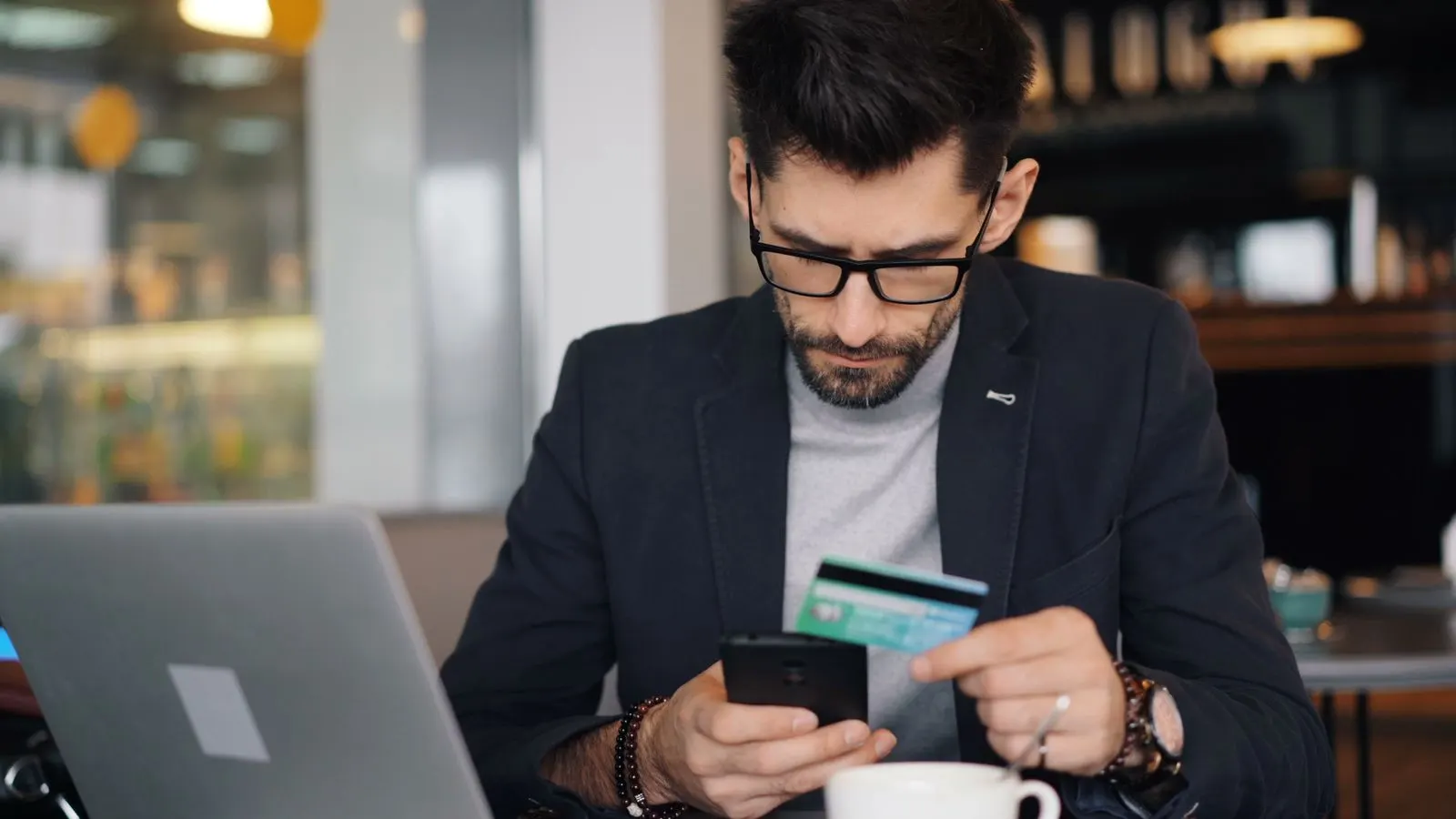
Plenty of guest house bookings still arrive by phone, often from guests who don't do apps. For those, you need a way to take a card without the card being present — that's a virtual terminal: a secure webpage where you type in the card details the guest reads out.
Never write card numbers on paper or in a notebook, however temporarily. It breaks card-handling rules, and a notebook of card numbers by the phone is a burglary away from a very bad month.
The tidier alternative is a payment link texted or emailed to the guest, who enters their own details. It's more secure, it's less awkward than reading digits down the line, and it works for deposits too.
Checkout: speed matters less than you think
Unlike a cafe, you have no queue. Checkout is two guests at 10am with their bags by the door, so terminal speed is irrelevant — what matters is that the amount is right, extras are included, and the payment just works first time.
A £19 reader from SumUp or Square is genuinely enough hardware for most B&Bs. Who should walk away from that advice: larger guest houses processing serious volume year-round, where a quote from Dojo or Worldpay might beat flat rates — but never sign a long contract for a seasonal trade, and compare your options before any sales call.
One practical note: stays over £100 exceed the contactless card cap, so guests will insert and PIN — or tap a phone wallet, which has no cap. Neither slows you down meaningfully at checkout volume.
Chargebacks on no-shows: paperwork wins
Charge a no-show fee and some guests will dispute it with their bank. You can win those disputes, but only with evidence: the booking confirmation showing your cancellation policy, proof the guest saw and accepted it, and your records of the no-show.
This is why policy-at-booking matters so much. A policy stated on the confirmation email the guest accepted is evidence; a policy that lives only on a laminated card by the kettle is not. We cover the mechanics in our chargebacks guide.
Keep it proportionate too. Charging the full stay for a cancellation made a fortnight out may be legal under your terms but it invites disputes and one-star reviews — many hosts charge the first night only, which guests accept as fair.
Seasonal cash flow and the breakfast-extras tab
Most B&Bs earn eight months of the year and hibernate for four. That's the argument for no-monthly-fee providers: a contracted terminal at £15-20 a month costs you £60-80 across a dead winter for the privilege of sitting in a drawer. SumUp and Square cost precisely nothing in months you don't trade.
For extras — the cream tea, the packed lunch, the bottle of wine at dinner — run a simple tab per room and settle it at checkout rather than tapping cards all week. One payment, one fee, one line on the guest's statement.
Whichever provider you pick, run a realistic season through our fee calculator using your actual average booking value. At £150-plus per transaction, small percentage differences add up faster than they do in a coffee shop.
FAQs
What is the best way for a B&B to take card payments?
A no-monthly-fee reader (SumUp at 1.69% or Square at 1.75%, both with £19 readers) for checkout, plus payment links or a virtual terminal for phone bookings and deposits. Avoid contracted terminals with monthly rental unless you trade at volume year-round — seasonal closures make standing charges pure waste.
Can a guest house charge for a no-show?
Yes, if your cancellation policy was clearly stated and accepted at booking and your card setup supports it — check your provider's current terms on stored cards and delayed charges. Keep evidence of the policy and the acceptance, because that's what wins the chargeback if the guest disputes it.
How do I take card payments for phone bookings?
Use a virtual terminal, where you type the guest's card details into a secure page, or send a payment link by text or email so they enter details themselves. Never write card numbers down on paper — it breaches card-handling rules and creates real liability.
Is it cheaper to take direct bookings than Booking.com?
Dramatically. OTA commission commonly runs around 15% or more depending on your agreement — roughly £27 on a £180 stay — while your own card fee on the same booking is about £3 at flat rates. Converting repeat guests to direct booking is one of the highest-value habits a small guest house can build.