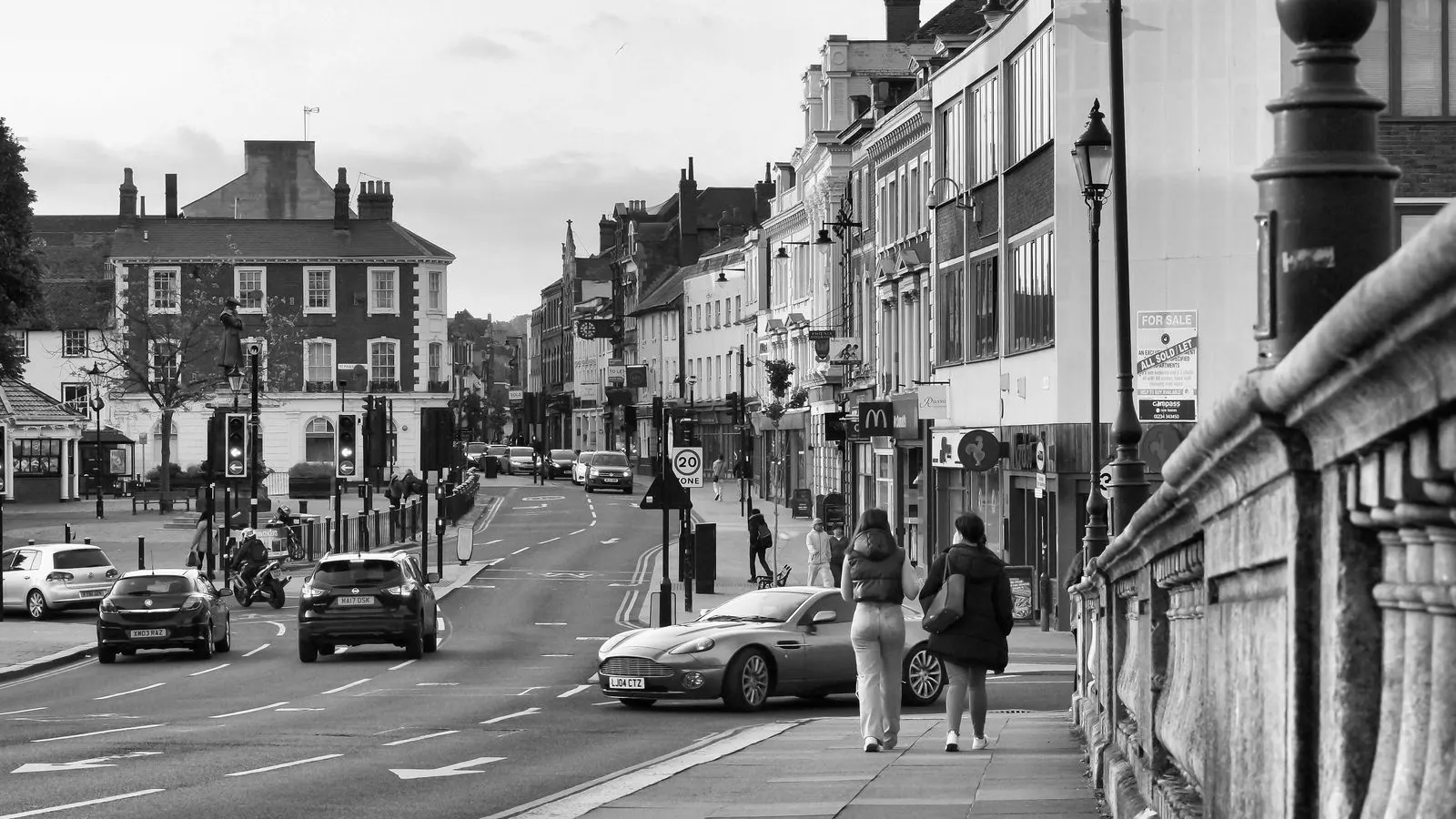
Sheffield's independent cafe scene - Division Street through Sharrow Vale to Abbeydale Road - has quietly standardised its tills: an iPad running free POS software, a flat-rate card reader, and not much else. That's not laziness; it's the right answer for most counters. Here's what the city's indies actually run, and when a cafe genuinely needs more.
The standard Sheffield indie setup (and why it won)
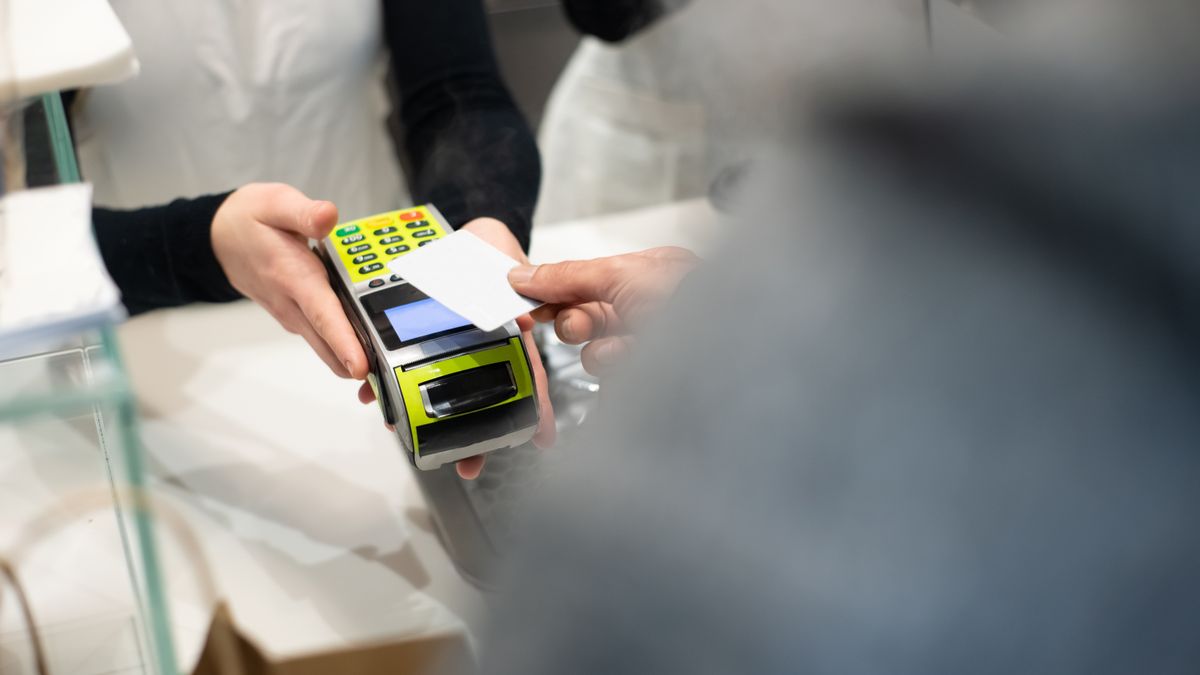
The typical setup: Square or SumUp on an iPad, a reader beside the machine, digital receipts, done. Software cost: £0. Card cost: 1.69%-1.75% flat. It won because cafes are high-frequency, low-ticket businesses where speed and simplicity beat features - and because nobody opening a cafe has spare capital for a £2,000 till.
At typical volumes the flat rate is liveable: a cafe doing £8,000 a month on cards pays roughly £135-£140 in fees. When card volume grows well past £10k/month, negotiated rates start beating flat pricing - that's the point to get quotes and run them through the fee calculator, not before.
Where free stops being enough
Three growth points push Sheffield cafes off the free tier, usually in this order:
- Staff you don't watch: individual logins and permissions live on paid plans (~£25-£40/month). Worth it the week you stop being behind the counter every shift.
- Food beyond toasties: proper kitchen tickets, modifiers and coursing want a hospitality plan - Square for Restaurants, or a dedicated system if the kitchen is the business.
- A second site: multi-location stock and reporting is paid-tier everywhere. (It's also the moment contracted card rates become negotiable - use the leverage.)
Sheffield-specific realities
Two local rhythms worth planning around. First, the student calendar: cafes near the universities and along Ecclesall Road live and die by term time, which is another argument for costs that flex with revenue - no-monthly-fee setups don't punish the summer trough. Second, match days and events: if you're anywhere near Bramall Lane, Hillsborough or a Tramlines route, your Saturday can double - make sure your reader isn't the bottleneck (a backup reader is £19 of insurance).
And learn from the city's food halls: the vendors at Kommune and Cambridge Street Collective run lean, fast, card-first counters because throughput is everything. A cafe till should pass the same test - if ringing a flat white and a bake takes more than three taps, the setup is wrong. Our cafe hub goes deeper on the full stack.
Our recommendation, plainly
Opening or running a straightforward Sheffield cafe: Square on an iPad with a Square reader - the free tier's inventory, reporting and (free) online ordering cover an independent completely, and you can add the Restaurants app later without changing provider. If every pound of setup cost matters, SumUp gets you trading for £19.
Already trading and suspicious of your costs? Check your effective rate against the comparison table - cafes that signed a contracted terminal deal in a hurry are the businesses we most often see overpaying, and switching is less painful than the rep implied.
FAQs
What POS do most Sheffield cafes use?
Independents overwhelmingly run Square or SumUp on iPads - the same pattern as indie cafes across the UK. Food-led spots and multi-site operators graduate to paid hospitality plans.
How much should a cafe pay in card fees per month?
At a flat 1.69%-1.75%: roughly £85-£90 per £5,000 of card sales. If your statement says meaningfully more per pound of sales, something (PCI fees, terminal rental, minimum charges) is stacking on top - worth an audit.
Do I need a till drawer if I'm mostly card?
Sheffield cafes still see real cash, especially from older regulars. A basic drawer paired to your iPad till covers it - going fully cashless is legal but costs you some customers.
What about tips on card?
Turn tip prompts on - card tips are found money for staff. Remember 100% must reach the team with no card-fee deduction; our tipping-law guide covers the rules.