If you trade at the Moor Market, Sharrow Vale's street markets or any of Sheffield's pop-ups, the card machine question has a short answer: a no-monthly-fee reader, fully charged, with a backup plan for bad signal. Cash-only stalls in this city are leaving money on the table - here's the setup that works for Sheffield traders, from a comparison site based up the road.
Why no-monthly-fee is the only sane choice for a stall
Market trading is seasonal, weather-dependent and honest about it. A contracted terminal with a monthly fee charges you the same in a rained-off January as a heaving December - a no-monthly-fee reader charges you only when you sell. For typical stall volumes the maths isn't close: £1,500 of card sales a month costs about £25 in flat-rate fees and nothing else.
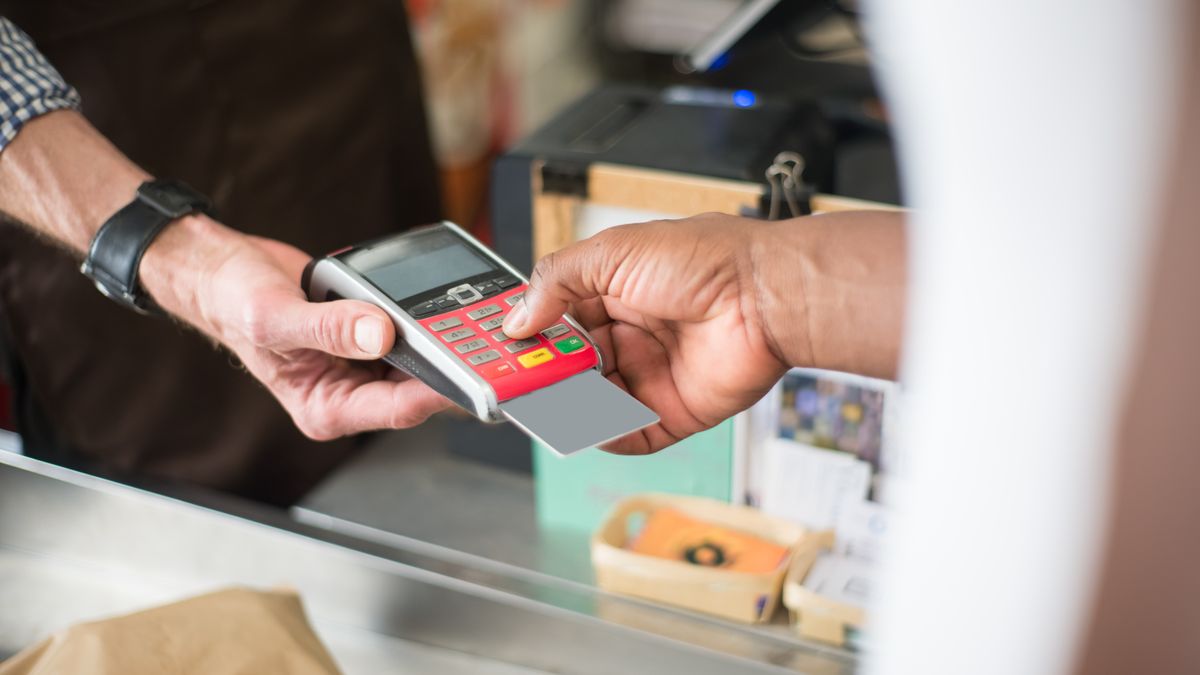
The shortlist is the familiar one: SumUp (£19 reader, 1.69%) is the market-trader default for a reason, Square matches it with stronger free software, and Zettle suits PayPal households. Any of the three will do a Sheffield stall proud - the full comparison is on our no-monthly-fee page.
The indoor-market signal problem
Phone-paired readers depend on your phone's data, and big indoor market halls - steel-framed buildings with thick walls - are exactly where data gets patchy. Traders at indoor markets everywhere know the mid-transaction spinner of doom.
Three fixes, in order of cost: check whether the market's public or trader WiFi is usable and pair to that; try a different network (coverage varies wildly by operator inside big buildings - ask the stall next door what they're on); or spend on a standalone reader with its own SIM (SumUp Solo, from around £79) which picks the strongest network itself. If you're taking hundreds of pounds a day, the SIM reader pays for itself the first time the queue doesn't walk.
A Sheffield trader's practical kit list
What the well-run stalls actually carry:
- The reader, charged the night before - and a power bank; a full market day outlasts most reader batteries when it's busy.
- A visible 'cards welcome' sign - it measurably lifts spend because browsers don't have to check their pockets first.
- The cash tin anyway: roughly one in five UK payments is still cash, and market crowds skew higher. Take both.
- A price point that survives fees: at 1.69%, a £3 item gives up 5p - price with that in mind rather than resenting it.
- Your reader's app reports at the end of each market - takings by day tells you which pitches earn their fee.
Weekend and seasonal traders: your costs are zero until you sell
Sharrow Vale's markets, Christmas markets and one-off pitches suit occasional traders, and this is where no-monthly-fee genuinely shines: the reader sits in a drawer costing nothing between events. There's no minimum usage, no dormancy fee, nothing to cancel.
If you're weighing up whether card acceptance is worth it at all for a few markets a year, our sole trader guide runs the numbers - but the short answer is that a £19 one-off has usually repaid itself by the second market. Want a shortlist matched to how you trade? The 60-second quiz does exactly that.
FAQs
What card machine do traders at the Moor Market use?
Predominantly no-monthly-fee readers - SumUp and Square are everywhere on UK indoor markets. Traders in patchy-signal spots inside the hall tend to upgrade to SIM-equipped standalone readers.
Do I need a different card machine for outdoor markets?
No - the same reader works. Outdoors your phone signal is usually better than inside a market hall; your real enemies are battery and rain. Power bank, zip-lock bag, done.
What happens if the signal dies mid-payment?
The payment either fails cleanly (customer retries) or queues, depending on the provider's offline rules. Know your provider's policy before you rely on it, and check offline-payment liability - if it later declines, that's usually on you.
Is it worth taking cards for a £2.50 average sale?
Yes - the fee on £2.50 at 1.69% is about 4p, and the sales you'd lose by being cash-only cost far more. Consider a modest minimum card spend if tiny transactions genuinely bother you; that's legal.