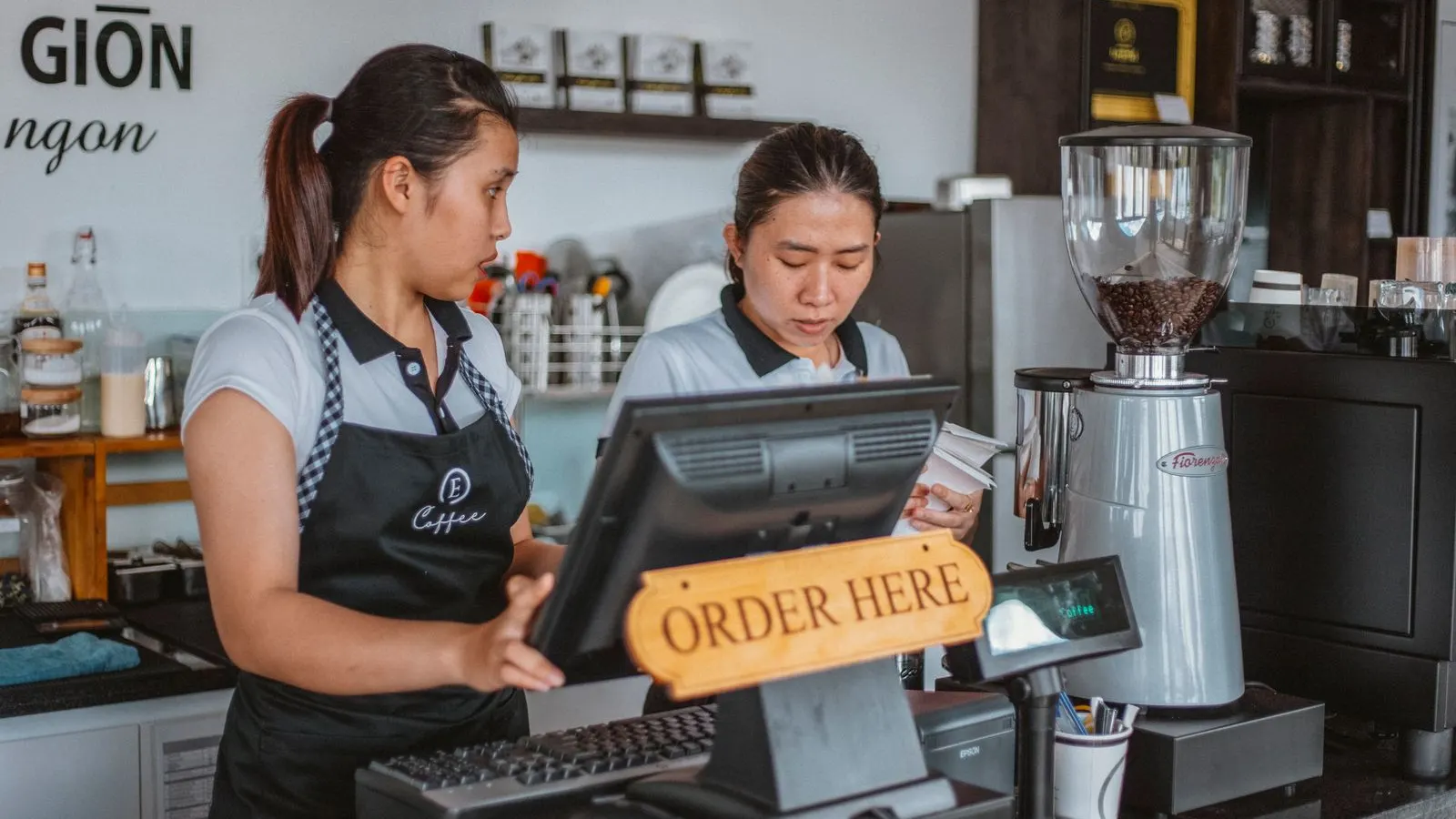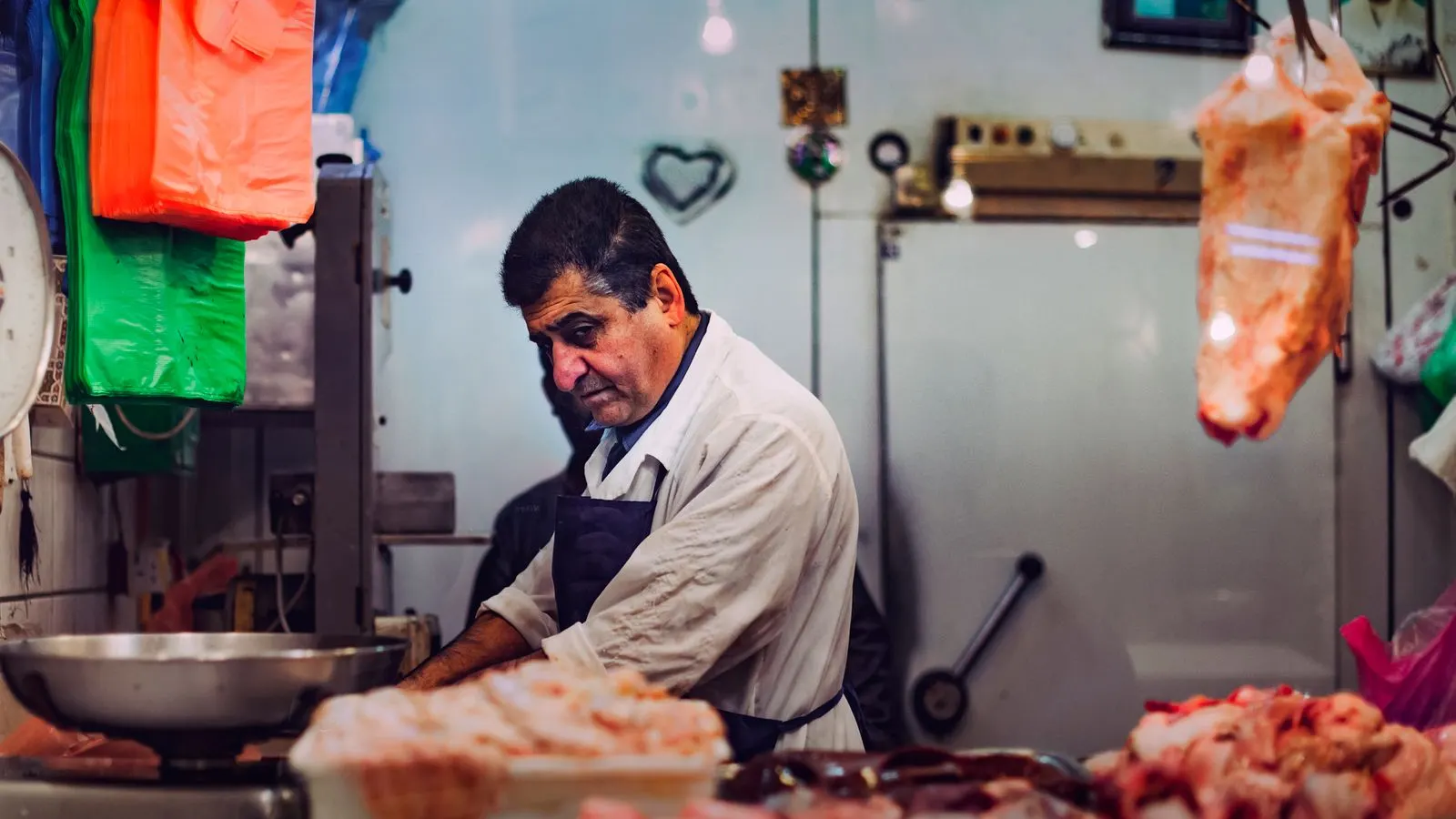
A card machine for butchers used to be an afterthought; the trade ran on cash and everyone liked it that way. That world is going, one retiring regular at a time. Younger customers walk in wanting four sausages and carrying nothing but a phone. This guide covers picking a reader that suits a wet counter, the truth about scale integration, Christmas deposits, and fee maths for a trade where margins are already thin.
The cash counter is shifting, whether we like it or not
Butchery held out longer than almost any high-street trade on cash, and for rational reasons: small margins, fast queues, and a customer base that paid in notes for fifty years. But footfall surveys tell the same story everywhere; the customers you need to win next carry cards and phones, not change.
The risk is invisible because it walks past the shop. Nobody comes in, discovers you are cash-only, and tells you about it. They just buy their mince at the supermarket, where a tap takes two seconds. Being cashless-ready is not about abandoning cash, it is about never losing a sale over the payment method.
The good news: entry cost is trivial now. A £19 reader and a flat percentage gets you accepting cards this week, with no contract to regret. Our card machine comparison covers the current field.
Choosing a card machine for a butcher's counter
The practical requirements are speed, reliability at Saturday peak, and hardware that survives a working shop. The main pay-as-you-go options:
- SumUp: 1.69% flat, £19 reader, no monthly fee. Cheapest flat rate for a small shop.
- Square: 1.75% flat, £19 reader, free POS software with item buttons and daily reports.
- Zettle: 1.75%, £29 reader, settles into PayPal, which suits some and annoys others.
- Dojo, Worldpay, Tyl: quote-based countertop terminals aimed at higher volume; worth pricing once card takings are established, and always check the agreement's length and exit terms.
Weigh-and-price: the honest word on scale integration
In theory, your scale talks to your till, the price flies across, and the whole counter is one integrated system. In practice, integrated scale-and-EPOS setups are built for supermarkets and multi-site chains, and priced accordingly. For most independent butchers they are overkill.
Here is what actually happens in most small shops: the scale shows £7.43, and someone types £7.43 into the card reader. That is the whole workflow, and it is fine. It adds perhaps two seconds per sale and costs nothing. Do not let a software salesman convince you that typing a number is a business crisis.
Where a proper butcher shop EPOS starts earning its keep is multi-counter shops, deli sidelines with barcoded goods, or anyone doing serious volume in made-up products like pies and BBQ packs. At that point item-level reports become genuinely useful; our retail POS guide territory covers the trade-offs, or see the options at compare POS systems.
Keep the cash trade too
Your older regulars are not a problem to be migrated; they are the backbone of the till. Take both. A card reader next to the cash drawer is an addition, not a replacement, and no butcher should be nudging a forty-year customer into contactless against their will.
Legally, you can run the counter however you like: businesses in the UK can refuse cash or refuse cards as they choose. But a butcher's trade is relationships, and the winning answer is almost always 'we take everything'. Cash for Ethel, tap for her grandson.
There is one genuine cost to keeping cash: counting, banking and the trip to a branch that keeps moving further away. Factor that time in honestly when you compare it to card fees, because cash handling was never actually free.
Christmas orders and deposits
December is the trade's Wembley final, and the turkey order book is a pile of promises. A deposit turns a promise into a commitment. Taking £20 down on a £90 turkey order, by card at the counter or by a payment link sent when the order is placed, filters out the no-shows before you have bought the birds.
Payment links shine here: the customer orders by phone in November, you text a link for the deposit, and the balance settles on collection. No card details read out over the phone, no awkwardness. We cover the mechanics in our guide to taking deposits.
Keep deposit terms short and written: amount, what it secures, and the collection date. Card deposits also leave a clean record if there is ever a dispute, which a scribbled order book does not.
Hygiene, speed and the contactless bonus
There is a small, unglamorous benefit worth naming: contactless means no handling coins between serving cuts of meat. Gloves on, customer taps, nobody exchanges anything. Post-2020, plenty of customers quietly prefer it too.
Speed matters at the Saturday queue just as it does in a takeaway. A tap is faster than change from a twenty, and the queue moving briskly is part of why people keep coming to a busy counter. The £100 contactless card cap rarely bites at a butcher's; a phone wallet covers the big Christmas order anyway, uncapped.
None of this requires ripping out how the shop works. Reader by the till, prices typed in, cash drawer still there. Evolution, not renovation.
Fee maths when margins are thin
Butchery margins are tight, so let us do the sums straight. On a £12 basket, 1.69% is 20p. On £800 of card takings a day, fees run £13.52 at 1.69% or £14.00 at 1.75%; call it roughly £80-£85 over a six-day week if virtually everything went to card, and in reality your cash trade keeps it lower.
Against that, weigh the sales you stop losing. One extra £15 customer a day, won because you take cards, more than covers the day's fees on its own. And cash has carrying costs too: staff time counting, banking fees, and the occasional till discrepancy nobody can explain.
If your card volume grows past a few thousand pounds a week, run the numbers again: SumUp's Payments Plus from 0.99% and quote-based providers can undercut flat rates at volume. Five minutes on the fee calculator with your real takings settles it. Who should walk away from cards entirely? Only a butcher planning to retire before their customers do.
FAQs
What is the best card machine for a butcher's shop?
For most independent butchers, a SumUp (1.69% flat, £19 reader) or Square (1.75%, £19, with free POS software and daily reports) covers the counter with no contract. Busier multi-counter shops with established card volume should also price quote-based terminals from Dojo or Worldpay.
Do butchers need a till that connects to the scales?
Usually not. Integrated scale-and-EPOS systems are built and priced for supermarkets. Most independent butchers weigh the item, read the price off the scale and type it into the reader, which adds about two seconds per sale and costs nothing extra.
How much do card fees cost a butcher per day?
On £800 of card takings, about £13.52 a day at 1.69% or £14.00 at 1.75%. A single extra customer a day won by accepting cards typically covers that. If weekly card volume grows large, quote-based rates or SumUp's Payments Plus from 0.99% can bring the percentage down.
Should butchers take deposits on Christmas orders by card?
Yes. A card deposit, taken at the counter or by a payment link texted to the customer, commits them to the order before you buy stock. Keep terms simple and written: deposit amount, what it secures and the collection date. Card records also help if anything is disputed.