Accepting foreign cards from tourists raises two questions most UK small businesses never get a straight answer on: does that German Visa card cost me more than a British one, and what is that currency-conversion prompt on my terminal actually doing? The short answers: sometimes, depending on your pricing model — and the prompt is usually a bad deal for your customer. Here's how tourist card payments really work, and why charging in plain GBP wins.
What accepting foreign cards actually costs a UK merchant
Every card payment carries an interchange fee — a wholesale cost set by the card schemes that your provider pays and passes on to you one way or another. For UK consumer cards, that wholesale cost is capped at very low levels; our interchange explainer covers the plumbing.
Cards issued outside the UK are a different story: interchange on many foreign-issued cards isn't capped the same way, so the wholesale cost of that transaction can be several times higher than a domestic one.
Whether that higher cost reaches you depends entirely on how your provider charges — which is where the two pricing models split sharply.
Traditional pricing: foreign cards cost you more
On interchange-plus or blended pricing — common with quote-based providers like Dojo, Worldpay or Tyl — higher wholesale costs typically flow through to you as higher rates on non-UK cards, or as a surcharge tucked into the fee schedule. The exact treatment varies by contract, so check your agreement and your monthly statements rather than assuming.
This is one of the classic hidden fee locations: the headline rate quoted in the sales call is usually the UK consumer debit rate, and the foreign-card rate lives three pages deeper.
If you trade in a tourist area and you're on traditional pricing, pull a summer statement and find what non-UK cards actually cost you. For some seaside businesses it's a meaningful line item hiding in plain sight.
The flat-rate win: same rate whatever the card
Flat-rate providers do what the name says: SumUp charges 1.69% and Square charges 1.75% regardless of where the card was issued — a French Mastercard costs you the same as a Barnsley debit card. Check current terms, as pricing structures can change, but flat means flat as these products stand.
This is a genuine structural advantage for tourist-heavy trades, not marketing fluff. The provider absorbs the higher wholesale cost on foreign cards; you get pricing you can predict in August as easily as February.
Who should still look at quotes: very high-volume businesses where a negotiated rate beats 1.69% overall even after foreign-card surcharges. For everyone else near a beach, castle or cathedral, flat-rate simplicity wins — run your mix through our fee calculator to see it in your own numbers.
Dynamic currency conversion: the honest explanation
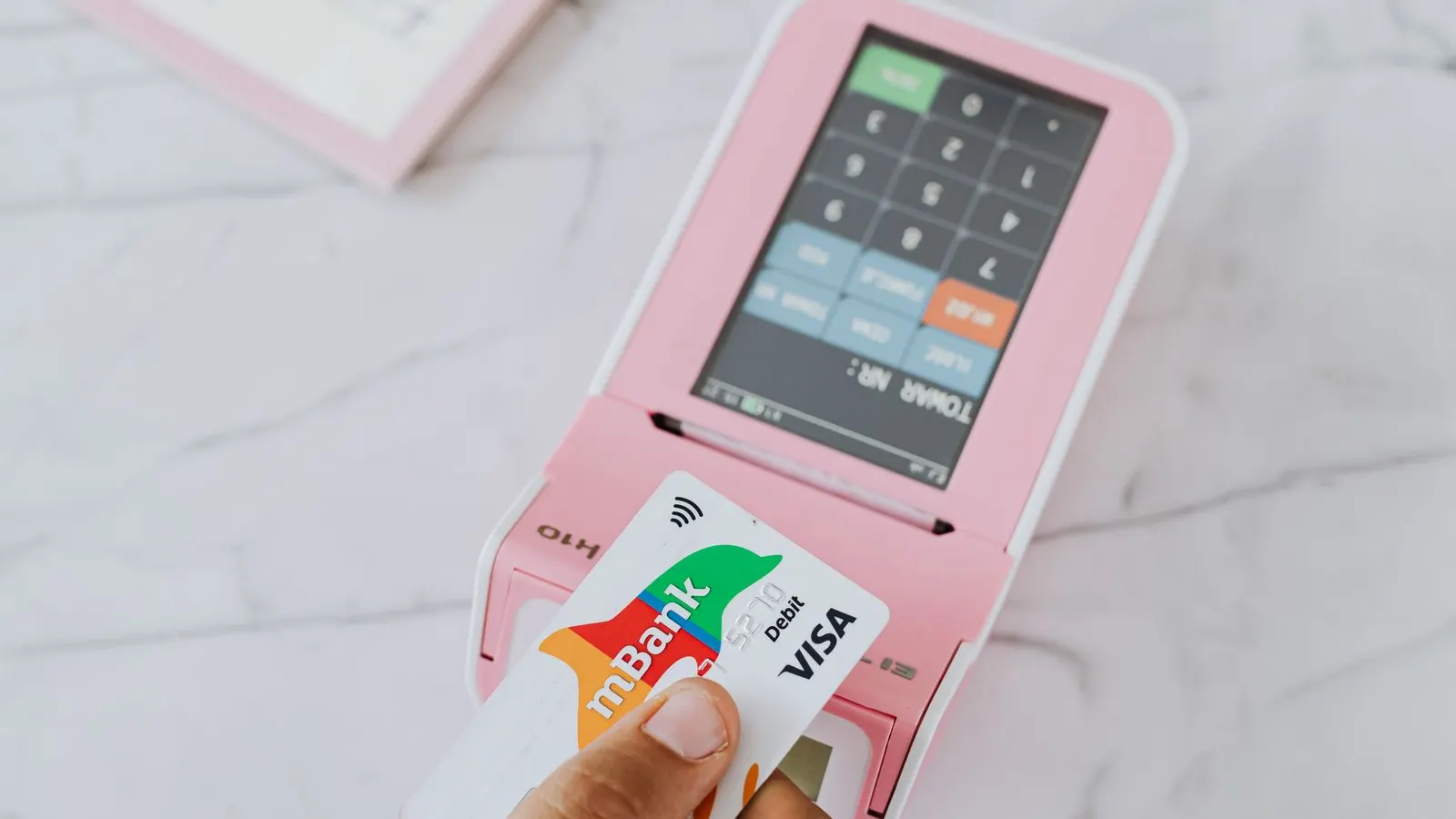
DCC is the terminal prompt offering to charge a foreign cardholder in their home currency — pay €58.40 instead of £50. It sounds helpful. It almost never is: the conversion uses an exchange rate set by the DCC operator that's typically markedly worse than the rate the customer's own bank would apply, and the difference is kept as margin.
Part of that margin is sometimes shared with the merchant as a kickback, which is exactly why some terminals push the prompt so eagerly. So yes — you can occasionally make a few pence by nudging tourists into DCC. You'd be making it out of your customer's pocket via a worse exchange rate they didn't understand.
Savvy travellers know the rule always pay in local currency, and they notice when a terminal tries to steer them. The pennies aren't worth looking like a tourist trap.
Why GBP wins: our advice in one paragraph
Charge in pounds, every time. The customer's bank converts at a fair rate, your books stay in one currency, your refunds are simple, and nobody feels fleeced when they check their statement on the flight home. It's the honest route and — not coincidentally — the simpler one.
The pleasant footnote: flat-rate readers from SumUp and Square just do this by default. Tap, GBP, done — no DCC prompt to decline, no decision for your staff to fumble in front of a queue.
If a provider's sales pitch dwells on DCC rebate income as a benefit, treat it as a small red flag about whose interests the product serves. See how the main providers compare on straightforward pricing instead.
Amex, UnionPay and JCB: what's in tourists' wallets
Visa and Mastercard cover the overwhelming majority of tourist plastic, and any mainstream UK reader takes both. American Express is common with US visitors — acceptance depends on your provider, though flat-rate providers generally support it; some charge the same flat rate for Amex, but check current terms, and see our Amex guide for the detail.
UnionPay (dominant in China) and JCB (Japan) are patchier: support varies by provider and setup, so check before assuming. In practice most visitors from those countries also carry a Visa or Mastercard, or pay through a phone wallet, so lost sales are rarer than you'd fear.
Phone wallets deserve a mention of their own: Apple Pay and Google Pay work internationally, carry no £100 contactless cap, and are increasingly the tourist's default. If your reader takes contactless — and every modern one does — you're already covered.
Tourist-heavy trades: the quick setup
B&Bs and guest houses feel foreign-card economics most, because transactions are large: on a £300 stay, a percentage point of foreign-card surcharge on traditional pricing is £3 per booking, silently, all season. Flat-rate pricing removes the ambiguity.
Shops and stalls near attractions should optimise for speed and certainty instead: contactless-first, priced in GBP, no DCC prompts, no drama. A tourist queue moves at the speed of its most confused transaction.
The boring summary: a £19 flat-rate reader handles tourist cards as well as a contracted terminal costing far more, and with fewer ways to accidentally overcharge anyone. For most small tourist-facing businesses, that's the whole answer.
FAQs
Do foreign cards cost UK merchants more to accept?
On traditional quote-based pricing, often yes — interchange on many non-UK cards isn't capped like domestic cards, and that higher wholesale cost typically reaches you as a higher rate, so check your agreement. On flat-rate providers like SumUp (1.69%) or Square (1.75%), foreign cards cost exactly the same as UK ones.
Should I offer dynamic currency conversion to tourists?
No. DCC charges the customer in their home currency at an exchange rate that's typically much worse than their own bank's, with the margin kept by the DCC operator and sometimes partly shared with the merchant. Charging in GBP is fairer, simpler, and what experienced travellers expect.
Can tourists pay more than £100 by contactless?
Physical cards are capped at £100 per contactless tap in the UK, so bigger purchases need chip and PIN. Phone wallets like Apple Pay and Google Pay have no cap, work on international cards, and are increasingly how tourists prefer to pay — any modern reader handles them.
Do UK card readers accept UnionPay and JCB?
It varies by provider and setup, so check before relying on it. In practice most visitors carrying those cards also have a Visa or Mastercard or use a phone wallet, so genuinely lost sales are uncommon. Amex is more widely supported, though terms differ by provider.